
The SPC noted that most women pay for or rent land to cultivate.

The minister said the facility is a major milestone in the federal government’s efforts to strengthen animal health.

He urged stronger branding and market linkages so that products of women farmers could compete in urban markets.

The proposed association will provide a broad-based platform to promote investment, development, and sustainable growth across the forest value chain.

The Livelihood Improvement Family Enterprises-Niger Delta, LIFE-ND project has onboarded 1,020 youths and women in Abia for training in agri-enterprises.

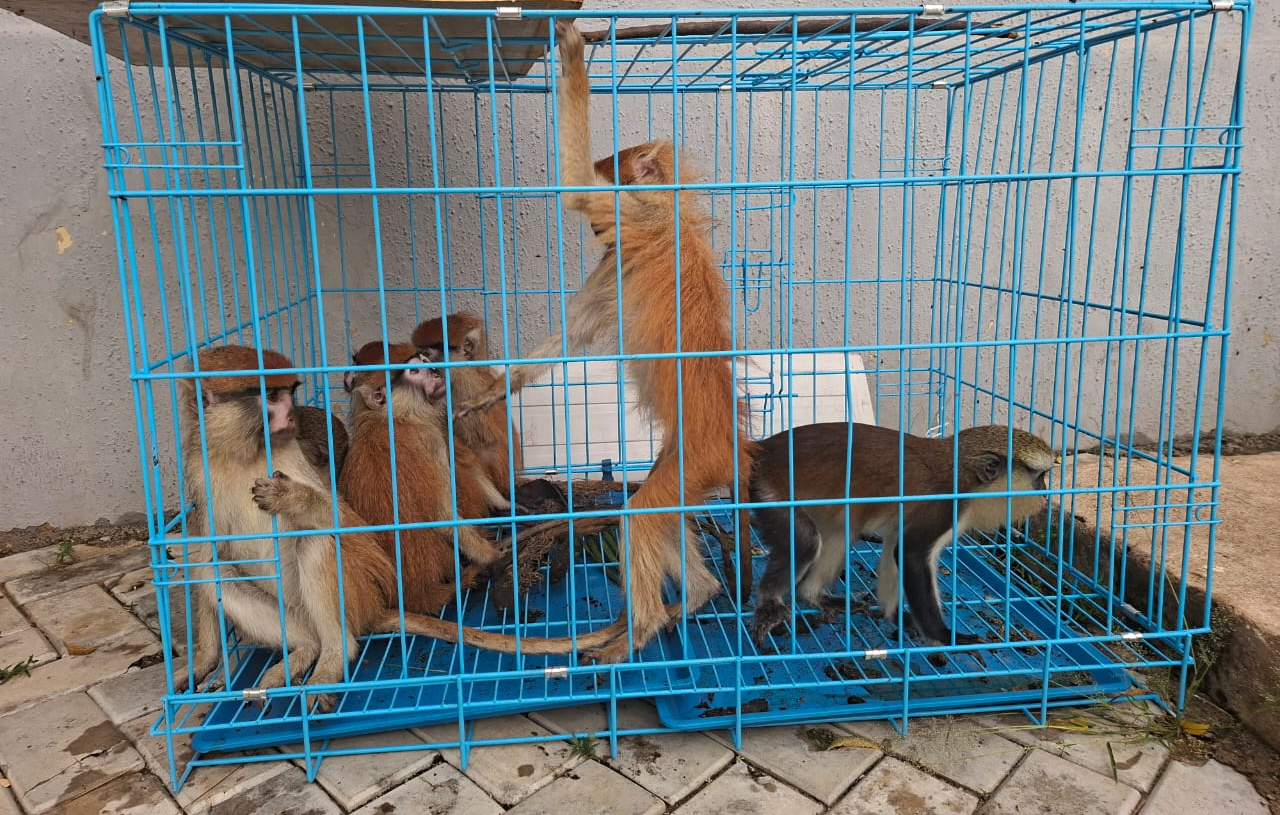
The Nigeria Customs Service, Kano/Jigawa area command, has intercepted a consignment of illegally traded wildlife and arrested three suspects on the Kano-Daura Road.
The minister reaffirmed the ministry’s commitment to increasing sustainable domestic fish production.

Mr Maiha said the facility was designed to serve as a strategic national and regional hub for storage and distribution of veterinary vaccines.

The Nigerian Navy has called on Nigerians to join the government and other related institutions in efforts to preserve the nation’s lakes.

The Oyo government has begun training 880 farmers and agricultural extension officers across the state on climate-smart agriculture.


