
CBN retains benchmark interest rate at 23%

The Monetary Policy Committee (MPC) of the Central Bank of Nigeria (CBN) has retained its benchmark interest rate at 23 per cent amid continued moderation in the country’s inflation rate.
CBN Governor Olayemi Cardoso announced the decision on Tuesday at a press briefing following the committee’s 308th meeting.
The governor said the committee reviewed prevailing global and domestic economic developments, identified key risks to the outlook and evaluated their implications for price stability.
Mr Cardoso, who chaired the meeting, said the committee also retained the standing facilities corridor at +50 to -300 basis points around the MPR.
It also retained the Cash Reserve Requirement (CRR) for commercial banks at 45 per cent, merchant banks at 16 per cent and public sector deposits outside the Treasury Single Account at 75 per cent.
At its previous meeting in September, the committee reduced the Monetary Policy Rate (MPR) by 350 basis points, from 26.5 per cent to 23 per cent, after retaining the rate at its May and July meetings.
The latest decision comes as Nigeria’s headline inflation declined for the fifth consecutive month, reaching its lowest level in six years.
“However, given the prevailing headwinds, which have slowed the pace of moderation in price pressures, members were of the view that maintaining the current policy stance would further anchor inflation expectations and support the disinflation process,” he said.
According to the National Bureau of Statistics (NBS), headline inflation eased to 14.06 per cent in October 2026 from 14.63 per cent in September.
Food inflation declined to 19.13 per cent from 19.59 per cent, while core inflation, which excludes volatile agricultural produce and energy prices, fell to 10.78 per cent from 12.95 per cent.
The decision also comes amid renewed pressure on the naira and concerns that increased government spending ahead of the 2027 general elections could fuel inflationary pressures.
Nigeria’s broad money supply rose to N139.09 trillion in September 2026 from N117.78 trillion in the corresponding period of 2025.
Meanwhile, Nigeria’s economy grew by 4.43 per cent in the second quarter of 2026, compared with 3.89 per cent in the first quarter.

We have recently deactivated our website's comment provider in favour of other channels of distribution and commentary. We encourage you to join the conversation on our stories via our Facebook, Twitter and other social media pages.

More from Peoples Gazette

States
Independence: NBA urges Nigerians to expect better future
The NBA said that ordinary Nigerians should be deriving benefit from the subsidy removal rather than hardship.

Agriculture
FG tasks ECOWAS on leveraging financing strategies for agroecology
The federal government has urged stakeholders in the agriculture and finance sectors in the West Africa region to leverage financing strategies to enhance agroecology practices

Politics
Katsina youths pledge to deliver over 2 million votes to Atiku
“Katsina State is Atiku’s political base because it is his second home.”
Heading 3
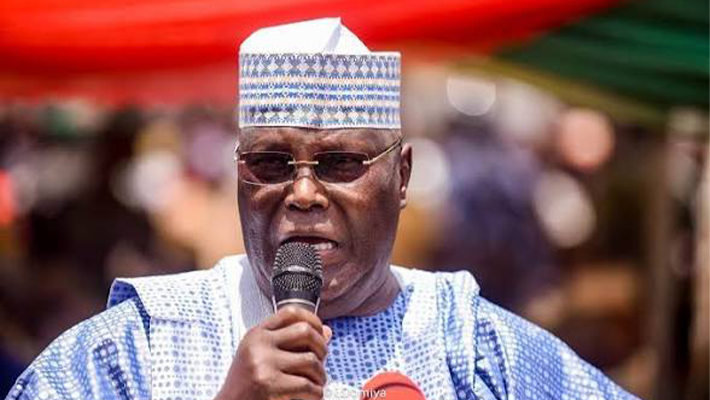
Atiku promises to revive Ajaokuta Steel Mill, develop Idah River Port, improve roads, water supply across Kogi
Mr Abubakar said the promises are tied to a single goal: giving families a more affordable life.
Lagos
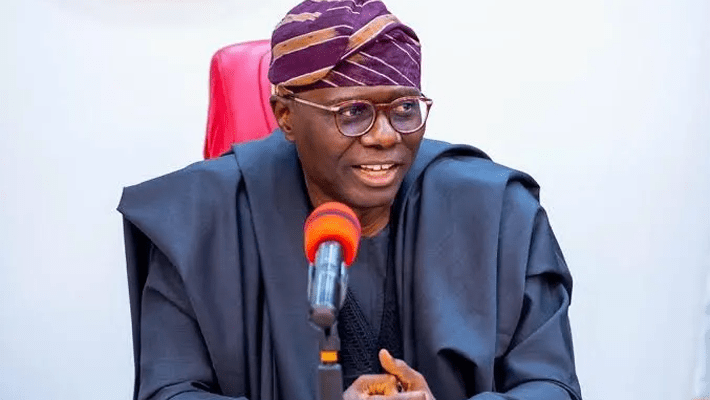
Sanwo-Olu’s Lagos development journey documented in new book
Mr Sanwo-Olu, at the formal presentation of the book, said Lagos’ development was a product of successive generations of leadership.

Heading 5
2027: JONAPWD urges political parties, candidates to prioritise disability inclusion
Mr Aliyu said the disability community was seeking a transition from policy commitments to practical implementation.

Agriculture
3,520 Benue farmers to benefit from NADF’s post-flood support
Mr Ibrahim said the intervention was designed to cushion the impact of flooding on agricultural activities.
States
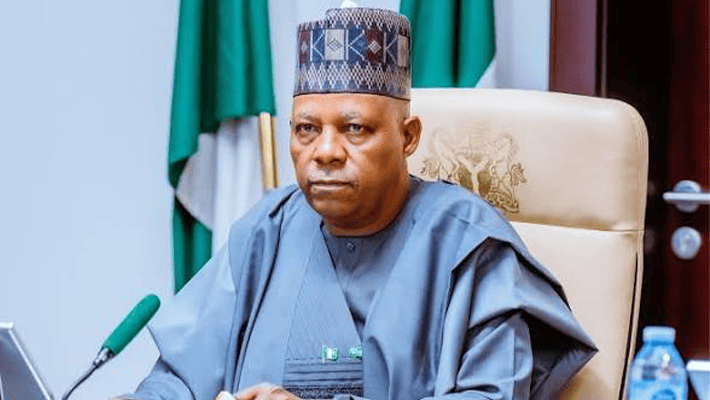
Shettima inaugurates electric mobility, renewable energy projects in North-East
He commended the NEDC management and staff for their commitment to sustainable development.
Africa
RVMC launches $35 million initiative to address vaccine manufacturing gaps in Africa, other regions
Mr Kristensen said the focus should shift from building more manufacturing plants to strengthening the wider regional manufacturing system.


