
Sanwo-Olu’s Lagos development journey documented in new book
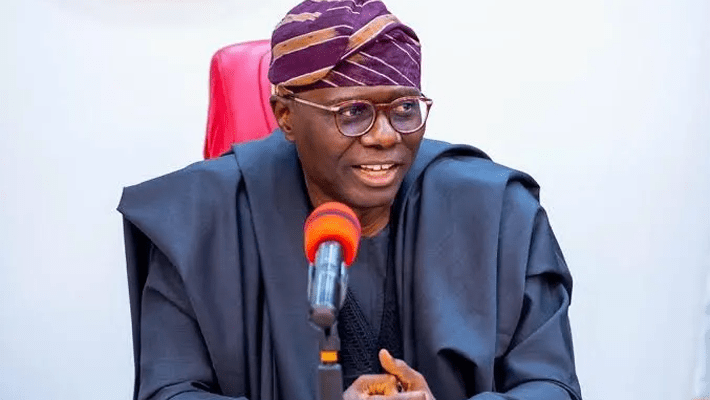
The development journey of Lagos under Gov. Babajide Sanwo-Olu has been documented in a new book highlighting leadership, infrastructure, governance and the transformation of the state into a major African megacity.
The book, Lagos: The Making of Africa’s Megacity – Urban Leadership, Infrastructure and Governance Under Babajide Sanwo-Olu, is Volume Three of the Eminent Nigerian Series.
Mr Sanwo-Olu, at the formal presentation of the book, said Lagos’ development was a product of successive generations of leadership, enterprise, resilience and the collective determination of residents to overcome the challenges of a rapidly growing metropolis.
“The story of this city is one of continuous transformation. Lagos has grown through successive generations of leadership and the shared determination of its people to overcome the challenges of a rapidly growing metropolis.
“Lagos’ growth could not be attributed to a single administration, but was built on the contributions of successive leaders who laid foundations for its continued transformation.”
He said that Lagos, with its unique characteristics and growing population, faced increasing demands for transportation, housing, healthcare, security, employment opportunities and improved living conditions.
“Addressing the demands of a rapidly expanding city requires deliberate planning, substantial investment, strong institutions and collaboration among government, the private sector and residents.
“Meeting all these demands requires deliberate planning, strong institutions and collaboration.
“It is not enough to have good intentions; there must be resources, sound decisions and consistency in implementation,” he said.
Mr Sanwo-Olu said that the state’s development agenda extended beyond infrastructure to include economic opportunities, improved human capital, food security, connectivity, healthcare delivery and the creation of an enabling environment for businesses.
He said that the journey of Lagos demonstrated the importance of continuity in governance, noting that the state’s development agenda was built on foundations laid by previous administrations.
The governor acknowledged the support of the federal government under President Bola Tinubu, saying collaboration between the two levels of government had contributed to advancing development initiatives in the state.
“I’m calling on Lagosians and stakeholders to sustain their support for the state’s development, stressing that building a prosperous Lagos requires collective responsibility,” he said.
Mr Sanwo-Olu commended the organisers for documenting the state’s development journey, saying the book provided an opportunity to reflect on governance, leadership decisions, experiences and lessons that could guide future generations.
“This story is bigger than any one person. It is bigger than any administration. It is a story of a city, its people and the collective efforts required to build a future that will transcend generations,” he said.
The Deputy Governor, Obafemi Hamzat, said giving opposition parties copies of the book would further educate them on the trajectory of Lagos State.
“Nothing in Lagos happens by accident. It takes thought and precision. Lagos was carefully planned, and a change in government does not alter the plan.
“We need to get this book across to opposition parties so they can better understand why Lagos will continue to make progress,” he said.
Reviewing the book, Maryam Quadri, a professor of political science at the University of Lagos, said the publication offered an opportunity to examine Lagos’ development beyond completed projects and administrative achievements.
Ms Quadri said that the book raised important questions about the responsibilities accompanying leadership in a city with global relevance, a large population, institutional demands and high expectations from residents.
She said, “The question is not just about how the city has grown, but what it will take to make it work better and secure its place in the future.”
She said that Lagos’ development should be assessed against standards of global competitiveness, institutional capacity, reliability, environmental sustainability, public administration and quality of life.
According to her, the book examined decisions, experiences and leadership processes shaping Lagos’ development, including transportation reforms, infrastructure investment, public-private partnerships, climate concerns and technological innovation.
She said the publication encouraged readers to consider how Lagos could strengthen its position in the global urban economy while improving the welfare of its residents.
Earlier, Bimbo Folayan, the coordinator of the Eminent Nigerian Series, in his welcome address, described Lagos as a city of possibilities where people from different backgrounds could pursue opportunities, build businesses and achieve success through determination and hard work.
He said, “Lagos is a city where somebody can come from a remote village with little more than determination and, within a few years, build a successful business and create a better life. It is a city that gives people room to dream, rise and succeed.”
Mr Folayan said that the state’s economic importance extended beyond Nigeria, noting that its contributions to trade, finance, technology, industry and other sectors made it a major national asset.
He said that the development of Lagos was the outcome of successive administrations that had contributed to its institutional, economic and infrastructural growth.
Mr Folayan traced some of the foundations of modern Lagos to previous administrations, including the expansion of educational institutions, development of transportation systems, reforms in public administration and improvement of infrastructure.
He said that the book project was conceived to document Lagos’ development and provide an account of projects, policies and initiatives undertaken by the Sanwo-Olu administration.
Mr Folayan said that the project’s interest in Lagos was strengthened by visits to several development projects, including educational facilities, healthcare infrastructure, housing projects and transportation initiatives.
He said that the team was particularly impressed by the concentration of public schools and educational facilities in some locations, adding that development should also be measured by its impact on vulnerable people and the opportunities it created for young people.
He said, “Leadership is not only about roads and buildings; it is also about compassion and creating opportunities for those who might otherwise be left behind.”
Mr Folayan said the project would extend beyond the publication, with plans to produce a documentary for international audiences and explore distribution opportunities through major global media platforms.
He said the initiative was designed to showcase Lagos’ economic potential, infrastructure, investment opportunities, innovation, culture and people to the world.
Mr Folayan also announced plans to establish the Lagos Legacy Initiative for Development, a platform intended to promote skills development, support communities and create opportunities for young people.
He said the initiative was expected to commence in 2027, with plans to engage participants across communities, provide mentorship and mobilise grants and support from international development organisations and philanthropic institutions.
Mr Folayan said the initiative’s governance framework and operational structures were being developed to ensure accountability and sustainability before full implementation.
He said the Eminent Nigerian Series, established in 1993, was created to document the lives, contributions and achievements of outstanding Nigerians and preserve their legacies for future generations.
Mr Folayan said the series had expanded over the years to cover eminent African personalities and cities, adding that the Lagos publication represented a new direction in documenting the development of an entire state.
He thanked Mr Sanwo-Olu, Mr Hamzat, government officials, contributors and other stakeholders for their support of the project.
The Commissioner for Information and Strategy, Gbenga Omotosho, gave the vote of thanks.
(NAN)

We have recently deactivated our website's comment provider in favour of other channels of distribution and commentary. We encourage you to join the conversation on our stories via our Facebook, Twitter and other social media pages.

More from Peoples Gazette

States
Independence: NBA urges Nigerians to expect better future
The NBA said that ordinary Nigerians should be deriving benefit from the subsidy removal rather than hardship.

Agriculture
FG tasks ECOWAS on leveraging financing strategies for agroecology
The federal government has urged stakeholders in the agriculture and finance sectors in the West Africa region to leverage financing strategies to enhance agroecology practices

Politics
Katsina youths pledge to deliver over 2 million votes to Atiku
“Katsina State is Atiku’s political base because it is his second home.”
Opinion
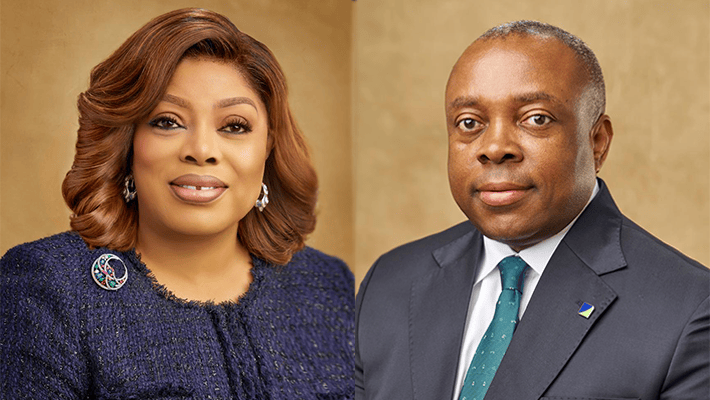
Ade Banzi: From an Amazon to a Titan at Fidelity Bank
Amuchie brings an intimate knowledge of the bank and a hand in many of the achievements of the outgoing administration.
States
NAFDAC warns Edo committee against declaring products fake without authorisation
The agency raised concerns over reports that the committee had seized products and sealed business premises.

NationWide
Nigeria Family Strengthening Development Programme is scam: FG
The ministry urged Nigerians to avoid the website.

Sport
CAS overturns CAF, reinstates Senegal as 2025 AFCON champions
CAS said the decision to resume or stop the match rested solely with the referee.
Heading 3
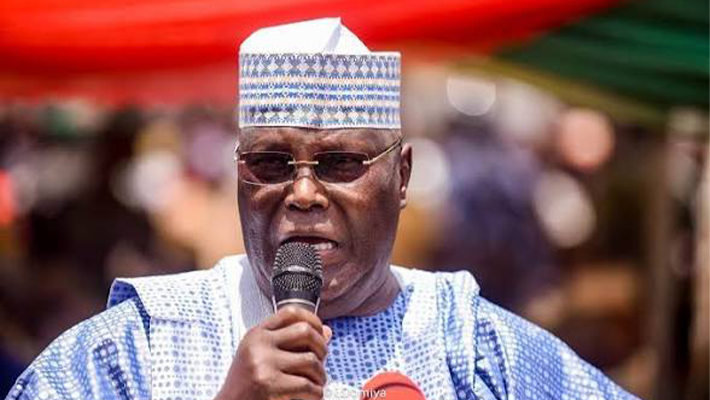
Atiku promises to revive Ajaokuta Steel Mill, develop Idah River Port, improve roads, water supply across Kogi
Mr Abubakar said the promises are tied to a single goal: giving families a more affordable life.
Lagos
Sanwo-Olu’s Lagos development journey documented in new book
Mr Sanwo-Olu, at the formal presentation of the book, said Lagos’ development was a product of successive generations of leadership.


