

Weapons looted during Libyan war found with terrorist groups in Nigeria: UN

The United Nations says some weapons looted during the Libyan conflict in 2011 have ended up in the hands of extremist groups in Nigeria.
Izumi Nakamitsu, the UN under-secretary-general and high representative for disarmament affairs, stated this at UN Headquarters in New York on Tuesday, as delegates gathered to address the global spread of illicit firearms.
The UN’s top disarmament official expressed regret that weapons continue to fuel violence in communities long after wars end, causing devastation across once peaceful communities.
She cited “Libya, where weapons looted or diverted during and after the 2011 conflict, which ended the rule of Muammar Gaddafi, later surfaced across the wider Sahel region, including in Niger, Burkina Faso, and Nigeria”.
“Some were subsequently found in the hands of extremist groups, illustrating how arms from one conflict can destabilise neighbouring countries years later. The end of the conflict does not mean the end of the circulation of those weapons; it stays, and it continues to harm people,” Ms Nakamitsu said.
In parts of sub-Saharan Africa, the UN said the proliferation of small arms can undermine peacebuilding efforts long after fighting subsides. Weapons retained by armed groups, militias or communities for self-protection can contribute to renewed violence and instability, she stressed.
According to her, illicit weapons are also linked to human rights abuses, terrorism and sexual and gender-based violence.
“It is not just a security issue. It is also about peacebuilding. It is about human rights. It is also about development,” Ms Nakamitsu said.
She said years after conflicts fade from the headlines, the weapons used to fight them often continue to circulate, crossing borders, fuelling crime and undermining an often-fragile peace.
“Wars end, but unfortunately, the weapons that are used in that particular conflict would not be under full control,” Ms Nakamitsu said. “They continue to circulate. They are sometimes hidden. They are brought across borders.”
She expressed concerns that the emergence of ghost guns, 3D-printed firearms and increasingly sophisticated trafficking networks are creating new challenges for governments worldwide.
“Those weapons or weapon parts, if they are disassembled and then trafficked, are more difficult to trace,” Ms Nakamitsu said.
UN member states adopted an action programme in 2001, committing to strengthen national legislation, improve stockpile security, combat illicit trafficking, and expand international cooperation.
A major milestone followed in 2005 with the adoption of the International Tracing Instrument, which established global standards for marking, recording, and tracing illegal weaponry.
The framework helps investigators identify where illicit weapons originated and how they entered illegal markets, while reducing the risk of diversion from legal stockpiles.
The UN supports implementation through technical assistance, policy guidance, and capacity-building programmes aimed at helping governments secure weapons stockpiles, improve tracing systems and strengthen border controls.
(NAN)

We have recently deactivated our website's comment provider in favour of other channels of distribution and commentary. We encourage you to join the conversation on our stories via our Facebook, Twitter and other social media pages.

More from Peoples Gazette

Agriculture
FG tasks ECOWAS on leveraging financing strategies for agroecology
The federal government has urged stakeholders in the agriculture and finance sectors in the West Africa region to leverage financing strategies to enhance agroecology practices

Politics
Katsina youths pledge to deliver over 2 million votes to Atiku
“Katsina State is Atiku’s political base because it is his second home.”
Faith
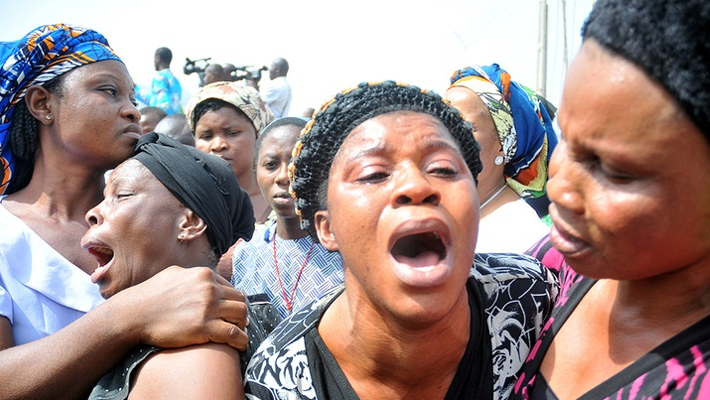
CAN declares three-day national mourning over widespread killings, kidnapping, demands state police
CAN also designated June 14 as ‘Black Sunday’ across all churches in solidarity with families affected by the killings and abductions.
Africa
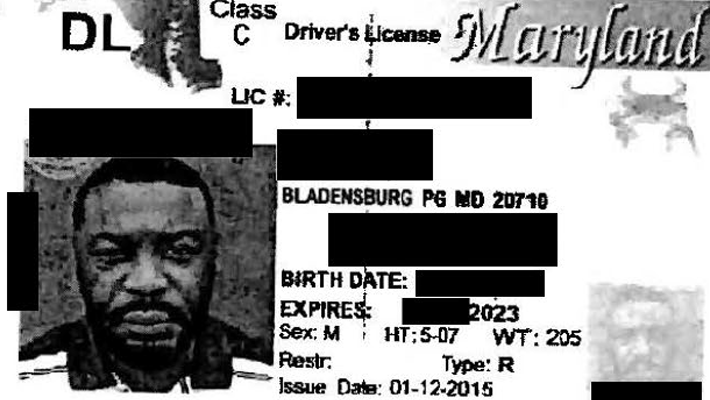
U.S.-based Ghanaian Bright Boateng sentenced for role in HSTF multimillion-dollar money laundering case
Court records show that Boateng has an extensive criminal history, with more than 20 criminal convictions and more than 40 arrests.
Education
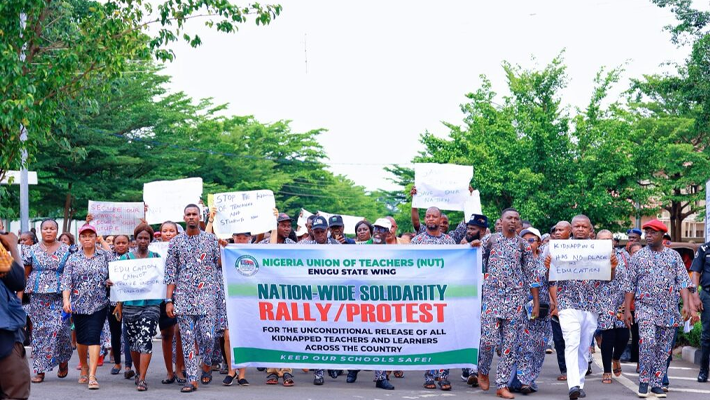
Enugu NUT protests abduction of Oyo teachers, pupils, demands safe learning environment
The Nigeria Union of Teachers in Enugu has urged the federal government and security agencies to secure the immediate release of teachers and pupils kidnapped in Oyo.

World
Guterres congratulates UN General Assembly president-elect Rahman
UN secretary general Antonio Guterres has congratulated Bangladeshi foreign minister Khalilur Rahman on his election as president of the 81st session of the UNGA.

World
Poland moves to ban smartphones in primary schools
The planned law would prohibit the use of mobile phones and other devices capable of recording audio or video during lessons and breaks.

World
UN General Assembly elects Bangladesh’s Rahman as next president
In a secret-ballot election, Mr Rahman secured 99 votes to Mr Kakouris’ 91. A total of 190 ballots were cast, with no invalid votes or abstentions.


