
UN, EU advocate intelligence sharing, technology to strengthen Africa’s fight against terrorism

UN Deputy Secretary-General Amina Mohammed has called for stronger intelligence sharing, public trust and responsible use of emerging technologies to strengthen Africa’s fight against terrorism and violent extremism.
Ms Mohammed made the call in virtual remarks at the High-Level African Lessons Learned Forum on Counter-Terrorism Cooperation, Intelligence Sharing and Emerging Technologies in Abuja on Monday.
She said terrorism continued to devastate families and communities across Nigeria’s North-East, the Lake Chad Basin, the Sahel and parts of East and Southern Africa.
“In Nigeria we know the cost of this scourge, the toll it is taking on families and communities across the North-East and the Lake Chad Basin,” she said.
Ms Mohammed said the violence was claiming lives, displacing communities, disrupting economic activities and undermining development in vulnerable areas.
“Behind each of these numbers are people whose hopes for their children are no different from our own,” she said.
She welcomed the forum’s practical approach to examining successful counter-terrorism strategies, identifying failures and sharing lessons across countries.
The UN deputy secretary-general identified trust, emerging technology and community-centred interventions as critical priorities for strengthening counter-terrorism cooperation.
“Intelligence sharing begins with trust. That means trust between agencies, between nations and countries, and between the state and its people,” she said.
She stressed that trust was essential to building effective partnerships between citizens and security agencies in preventing terrorist attacks.
On emerging technologies, Ms Mohammed warned that terrorist groups were adapting rapidly and exploiting artificial intelligence and synthetic media for recruitment and propaganda.
She noted that the same technologies could support early warning and prevention if deployed with appropriate safeguards and effective oversight.
She cautioned that military operations alone would not bring an end to terrorism, urging governments to complement security measures with rehabilitation, reintegration, justice and community support.
Ms Mohammed cited Nigeria’s Operation Safe Corridor and similar programmes as examples of efforts to help individuals leave armed groups and rebuild their lives.
According to her, sustainable reintegration requires justice for victims and adequate support for communities receiving former associates of armed groups.
The UN official also called for greater investment in young people through education, decent employment and accessible public services.
She said addressing the needs of vulnerable populations was particularly urgent, with only four years remaining to achieve the 2030 Agenda for Sustainable Development.
“The United Nations stands with you. We will continue supporting solutions that Africa designs and leads,” she said.
In his remarks, the European Union (EU) Ambassador to Nigeria, Mignot Gautier, announced €20 million in non-lethal military equipment to support the Nigerian Armed Forces in the fight against terrorism.
Mr Gautier said the support, approved under the European Peace Facility (EPF), was designed to meet Nigeria’s needs in tackling terrorism.
“Last week, the EU announced its decision to use the EPF for the first time to support the Nigerian armed forces in their fight against terrorism with €20 million of non-lethal equipment,” the ambassador said.
He added that the latest support complemented the EU’s longstanding assistance to the Multinational Joint Task Force (MNJTF) operating around the Lake Chad Basin.
According to him, the EPF has provided €285 million in support of the multinational force over several years.
The ambassador reaffirmed the EU’s commitment to strengthening counter-terrorism cooperation with Nigeria, the African Union and other African partners.
He said terrorism and violent extremism require coordinated international responses, stronger intelligence sharing and sustained partnerships among security agencies and judicial institutions.
“Intelligence sharing is crucial and involves secure channels between agencies and the judicial system,” he emphasised.
The country representative, United Nations Office on Drugs and Crime (UNODC), Cheikh Touré, called for African-led counter-terrorism strategies, warning that terrorist groups were increasingly exploiting cross-border networks, organised crime and emerging technologies.
Mr Touré said Africa had become a major centre of global terrorism, with the Sahel accounting for more than half of all terrorism-related deaths worldwide.
He said four of the five countries responsible for nearly 70 per cent of global terrorism deaths in the previous year were African: Burkina Faso, Nigeria, Niger and the Democratic Republic of the Congo.
Mr Touré said terrorist groups were strengthening cross-border operations, collaborating with organised criminal networks and exploiting improvised explosive devices, drones, digital platforms and artificial intelligence.
He cautioned against adopting international counter-terrorism practices without considering African countries’ specific needs and institutional capacities.
“The groups we confront cross borders with a fluency that too often exceeds our own. Our response, therefore, must be equally fluent and be African-led,” he said.
He reaffirmed UNODC’s commitment to working through African institutions and regional frameworks, including the African Union, ECOWAS, and the Abuja Process.
The forum brings together African and international stakeholders to discuss intelligence sharing, emerging technologies, counter-terrorism financing and strategies for preventing and countering violent extremism.
(NAN)

We have recently deactivated our website's comment provider in favour of other channels of distribution and commentary. We encourage you to join the conversation on our stories via our Facebook, Twitter and other social media pages.

More from Peoples Gazette

States
Independence: NBA urges Nigerians to expect better future
The NBA said that ordinary Nigerians should be deriving benefit from the subsidy removal rather than hardship.

Agriculture
FG tasks ECOWAS on leveraging financing strategies for agroecology
The federal government has urged stakeholders in the agriculture and finance sectors in the West Africa region to leverage financing strategies to enhance agroecology practices

Politics
Katsina youths pledge to deliver over 2 million votes to Atiku
“Katsina State is Atiku’s political base because it is his second home.”

Sport
Ballon d’Or releases 2026 top 10 finalists as football fans await winner
The winner will emerge from the 10 finalists tonight.
Sport
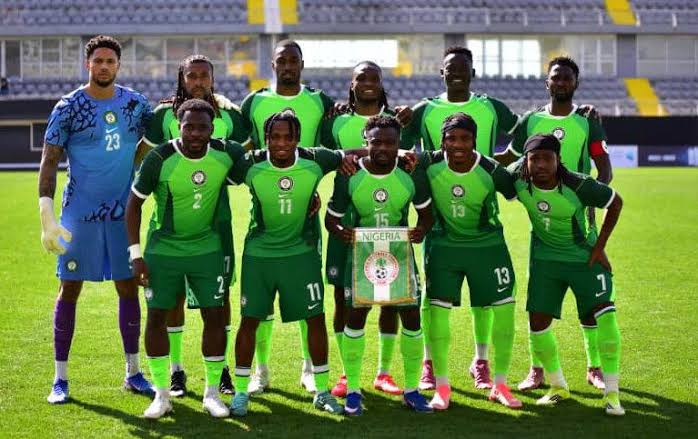
Future Eagles draw 1-1 against Pakistan to complete first stage of FIFA U-15 World Cup
Pakistan’s Kaleemulah scored the opening goal in the 21st minute.
Health
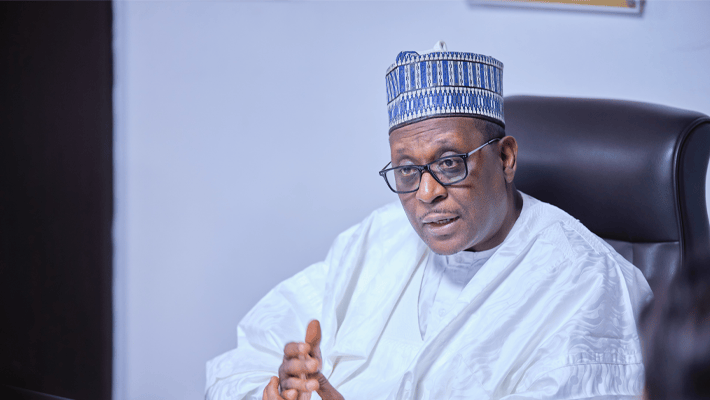
FG partners international organisations to combat hunger, child malnutrition nationwide
Mr Pate emphasised the federal government’s commitment to addressing both acute and chronic malnutrition.
NationWide
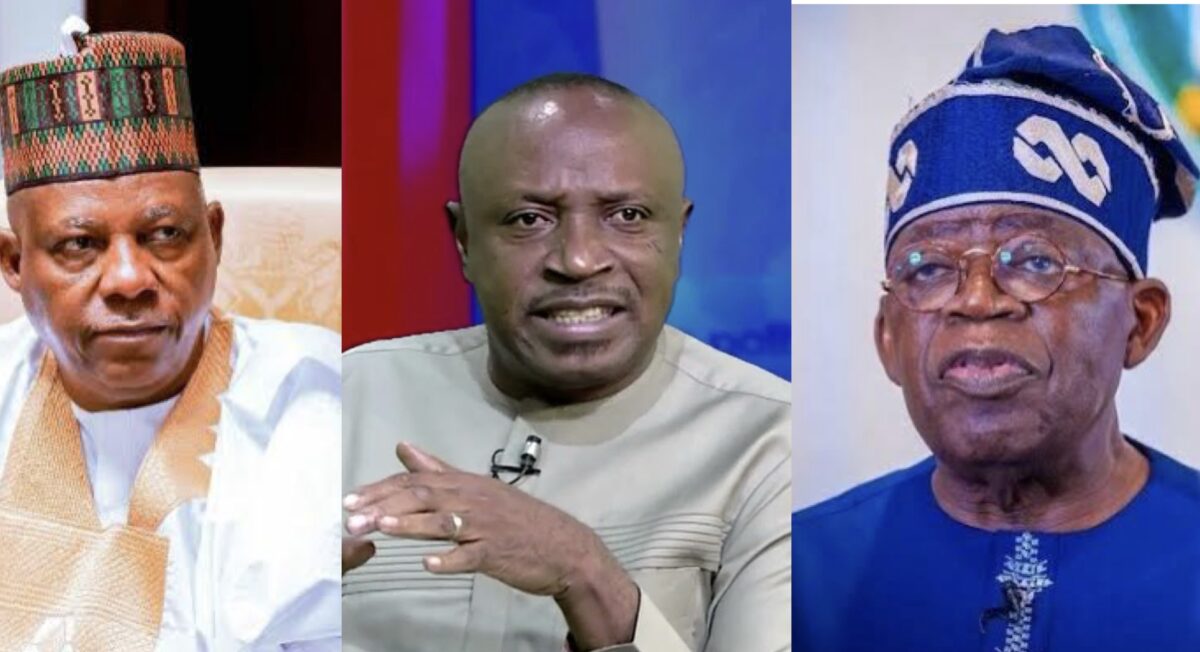
How did Tinubu graduate before government college Lagos existed? Phrank Shaibu asks Shettima
While Shettima debates school records, families are skipping meals, workers cannot afford the journey to work and his government calls their suffering reform.

Economy
GDP growth, lower inflation figures not enough to improve Nigerians’ lives: NESG
Mr Yusuf said reforms must deliver decent jobs, greater purchasing power, improved security and reduced poverty for households.

States
Police launch investigation into shooting of two corporals in Kogi
The two police officers were said to be involved in shootings that led to their deaths.


