

Nigerian economy stabilising after reforms: Expert
Chief executive officer of EnterpriseNGR, Obi Ibekwe, says the Nigerian economy is beginning to stabilise after years of adjustments, with recent reforms restoring confidence, unlocking investment and supporting sustainable growth.
Ms Ibekwe stated this while delivering the keynote address at the presentation of the EnterpriseNGR 2026 Macroeconomic Outlook, developed in partnership with EY on Thursday in Lagos.
She noted that while reforms had tested households, businesses and policymakers, they were currently yielding measurable improvements.
She said the outlook theme, “Reforms-Led Stability: Boosting Confidence, Unlocking Sustainable Growth”, was designed to move the conversation beyond hardship to perspective, progress and the next phase of economic recovery.
According to her, recent policy actions, which include foreign exchange unification and fiscal recalibration, had pushed Nigeria to a “critical inflection point”, with key macroeconomic indicators beginning to improve.
“For the first time in a while, inflation, external reserves and real GDP growth are moving in the right direction.
“The economy is stabilising, and this report documents tangible evidence of that stabilisation,” Ms Ibekwe said.
She said inflation had moderated to 15.15 per cent, the lowest level in five years, while foreign exchange market reforms had narrowed distortions, improved price discovery and increased FX tenders by more than 56 per cent year-on-year.
Ms Ibekwe added that external reserves had risen to about $45.5 billion, providing a stronger buffer against external shocks.
She maintained that the nation’s growth drivers were also undergoing a structural shift, with non-oil sectors now accounting for over 96 per cent of GDP.
This, she added, reflected the expanding role of services, financial intermediation, telecommunications, trade and the creative economy.
“This diversification strengthens resilience and reduces vulnerability to commodity cycles,” she said.
The EnterpriseNGR CEO said the financial and professional services sector was central to sustaining the recovery.
Ms Ibekwe described it as “plumbing” that makes the economy work by mobilising capital, managing risk and supporting real sector activity.
She said ongoing bank and insurance recapitalisation, the Nigeria Tax Act 2025, insurance industry reforms and stronger governance standards were rebuilding balance sheets, credibility and capacity within the sector.
However, Ms Ibekwe warned that stabilisation alone was insufficient, stressing that sustained progress would depend on policy consistency, institutional credibility and effective implementation.
“Reform reversals will erode the hard-won confidence we are beginning to build.
“Reform continuity, on the other hand, can unlock patient capital and long-term investment,” she said.
Ms Ibekwe described the outlook as both an assessment and a call to action for policymakers to maintain discipline, for investors to engage constructively and for the private sector to channel capital into productive, job-creating activities.
Also, the head of research at EnterpriseNGR, Omotayo Muritala, presented the key findings and projections from the report, outlining global and domestic macroeconomic trends shaping Nigeria’s 2026 outlook.
Mr Muritala said the global economy was transitioning to a modest growth phase, with emerging markets continuing to contribute significantly to global expansion, while easing monetary conditions were reshaping capital flows.
On Nigeria, he said the growth story had been driven by deep adjustments, with improving GDP growth, moderating inflation and reduced foreign exchange volatility pointing to gradual recovery.
He identified agriculture, trade, services, energy and financial services as key growth drivers, supported by ongoing reforms, infrastructure spending and sector-specific policy initiatives.
Mr Muritala projected that, if reform momentum was sustained, Nigeria’s economy could grow by about four per cent in 2026, supported by increased investment, infrastructure expansion and improved macroeconomic stability.
She added that while risks remain, consistent policy implementation and institutional discipline would be critical to consolidating gains and strengthening long-term economic resilience.
From an investor perspective, an associate partner at EY and contributor to the report, Olayinka Olatunji, said recent reforms had improved transparency, liquidity and confidence in Nigerian markets.
“Nigeria is moving from adjustment to stabilisation,” she noted, adding, “That stability creates space for patient, long-term capital and infrastructure investment, beyond short-term opportunities.”
She cautioned, however, that sustaining investor confidence depends on policy consistency and credible implementation.
Also speaking, the director of policy and public affairs, EnterpriseNGR, Lami Adekola, said the gains recorded so far were the result of deliberate policy choices, not chance.
“Policy credibility is built over time and can be lost very quickly.
“Investors and businesses are watching closely for consistency, coordination and effective execution,” she said.
She said Nigeria must move from stabilisation to structural reforms.
According to her, these reforms include addressing food supply constraints, improving infrastructure, strengthening energy markets, deepening capital markets and enhancing security in key economic corridors.
(NAN)

We have recently deactivated our website's comment provider in favour of other channels of distribution and commentary. We encourage you to join the conversation on our stories via our Facebook, Twitter and other social media pages.

More from Peoples Gazette

Agriculture
FG tasks ECOWAS on leveraging financing strategies for agroecology
The federal government has urged stakeholders in the agriculture and finance sectors in the West Africa region to leverage financing strategies to enhance agroecology practices

Politics
Katsina youths pledge to deliver over 2 million votes to Atiku
“Katsina State is Atiku’s political base because it is his second home.”

Rights
Trump slams Roe v Wade as ‘moral, constitutional atrocity’ against U.S. unborn children
“Today marks the 53rd anniversary of Roe v

World
Deputy secretary-general tells Nigeria, others to protect UN Charter
UN deputy secretary-general Amina Mohammed has called on Nigeria and other countries to protect the UN Charter, urging them to “stand up for a rules-based order” or pay the price.
States
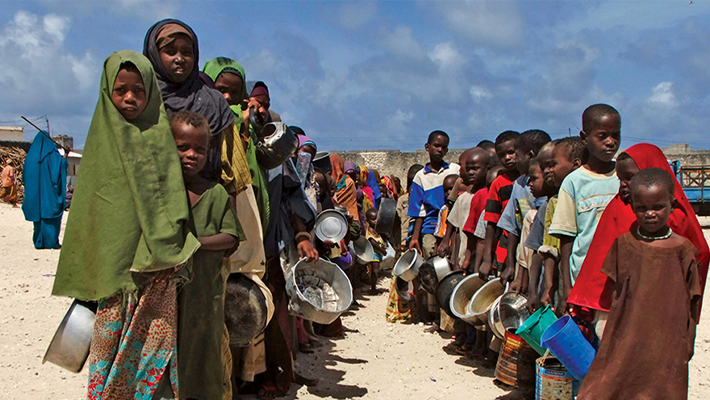
One million Northerners to go hungry amid food aid cuts in Nigeria: WFP
At least one million people in North-East Nigeria could lose emergency food and nutrition assistance unless funding can be found “within weeks”.
World
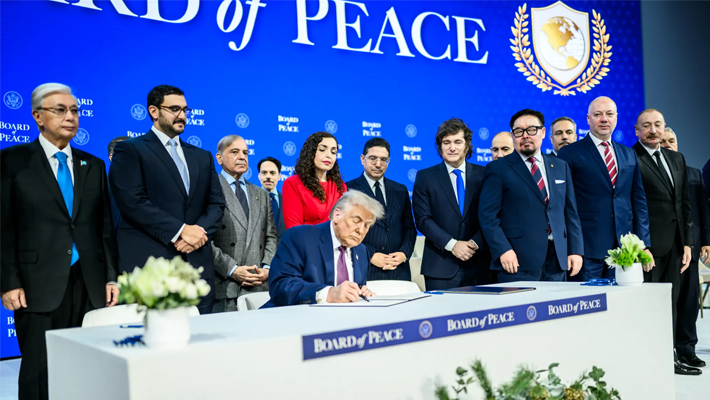
Trump ratifies Board of Peace, opens ‘path to hope, dignity’ for Gazans
“Today, the first steps toward a brighter day for the Middle East and a much safer future for the world are unfolding right before your very eyes,” said Mr Trump.
Health
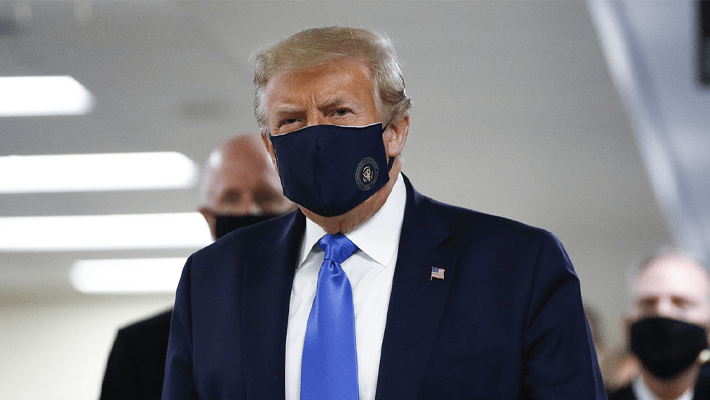
Trump terminates U.S. WHO membership, cites COVID-19 issue, undue political influence
The U.S. withdrawal from the global health body became effective Thursday.

Economy
Unemployment: Rivers government inaugurates skills development centre
The Rivers government has reaffirmed its commitment to youth empowerment, inaugurating the AYP innovation hub to tackle unemployment among young people.


