

Nigeria, Kenya lose $286 million music revenue annually to copyright gaps: U.S.

The United States government said on Wednesday that Nigerian and Kenyan artistes lose more than $286 million in recorded music revenue annually, with gaps in transparency and accountability contributing to the uncollected revenue.
Katherine Heiner, Intellectual Property Attaché for Sub-Saharan Africa at the U.S. Patent and Trademark Office, disclosed this during a virtual press briefing on intellectual property and the music industry.
Ms Heiner said Africa has rapidly growing creative talent and its music has gained global recognition, but rights holders do not capture all the revenue generated by the industry.
“The talent and demand is there,” she said. “But the value is slipping through the gap.”
Recalling a presentation by the Music Economy Development Initiative at a recent workshop, she said, “They found that in Kenya and Nigeria alone $286 million in recorded revenue is left uncollected each year. What a loss.”
Ms Hiner said that although the gaps vary from market to market, there must be improved transparency and accountability in royalty collection, increased public awareness, and more education for both artistes and the music industry on intellectual property rights and obligations, and stronger enforcement against piracy.
She said the U.S. has made sustained investments in the areas she identified and is now seeing a return on investment.
Citing a 2024 report by the USPTO, she said IP-intensive industries make a significant contribution to the U.S. economy.
“So in 2024, industries that intensively use at least one form of IP – $11.4 trillion in U.S. gross domestic product, 44 per cent of total private sector GDP, supported 65.8 million jobs; that’s 44 per cent of private sector jobs in the U.S.
“The IP-intensive industries accounted for $1.58 trillion in commodity exports. That’s, like, more than 80 per cent of commodity export value,” Ms Heiner said.
She added that workers in copyright-intensive industries—sound recording, motion picture and video production, software publishing, broadcasting, and performing arts—earned on average 130 per cent more than workers in non-IP-intensive industries.
“Between 2014 and 2024, so the past decade, in those copyright-intensive industries, the earnings premium increased by 30 per cent, which is the largest of any IP category,” Ms Heiner said.
She underscored that with the rapidly growing and changing creative economy and the “insatiable appetite” for African music globally, governments must commit to sustained investment in intellectual property protection and enforcement.
“This kind of growth requires two key things: up-to-date IP laws on the books and the political will to fully implement them,” she said.
She urged policymakers to ratify and fully implement the WIPO Copyright Treaty and the WIPO Performances and Phonograms Treaty to “provide a legal structure to help artists be fully compensated for their work.”
Ms Hiner called for well-functioning collective management organisations to help artistes manage their rights and facilitate the licensing of their works.
She noted that copyright protections for digital music distribution allow artistes to monetise their works through streaming and downloads, even where traditional distribution channels have been unavailable or inaccessible.
With growing collaborations between African and American artistes, Ms Hiner said the U.S. was working with governments, relevant law enforcement agencies, and stakeholders on cross-border copyright enforcement.
“So recently they had an operation during the World Cup, and they took down 1,000 infringing pirate sites, right, which is huge.
“These types of cross-agency collaborations are addressing not only the rightsholders’ issues, but they’re addressing those inputs—the money that’s going into organised crime that’s coming from pirate websites,” she added.

We have recently deactivated our website's comment provider in favour of other channels of distribution and commentary. We encourage you to join the conversation on our stories via our Facebook, Twitter and other social media pages.

More from Peoples Gazette

Agriculture
FG tasks ECOWAS on leveraging financing strategies for agroecology
The federal government has urged stakeholders in the agriculture and finance sectors in the West Africa region to leverage financing strategies to enhance agroecology practices

Politics
Katsina youths pledge to deliver over 2 million votes to Atiku
“Katsina State is Atiku’s political base because it is his second home.”

Politics
Video: Gov Adeleke prostrates himself to pay homage to Davido’s dad for re-election support
Governor Ademola Adeleke on Wednesday paid homage to his elder brother and businessman, Adedeji Adeleke (Davido’s father), for the role he played in his re-election on Saturday.
NationWide
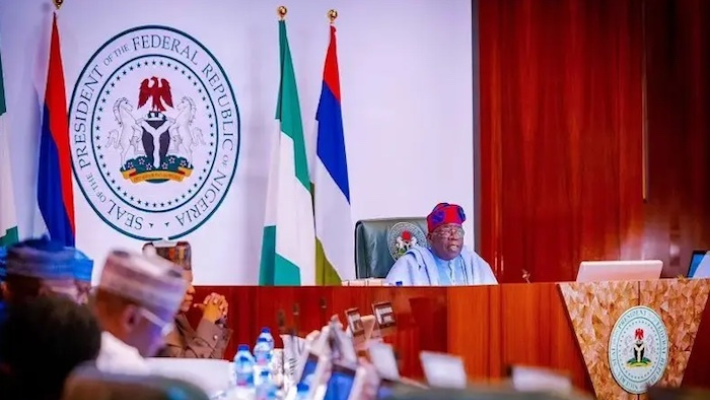
Tinubu approves decriminalising attempted suicide as 7,000 Nigerians take their own lives annually
The Tinubu administration has approved the amendment of the National Mental Health Act to decriminalise attempted suicide in Nigeria.

Economy
YouTube offers millions of dollars to creators to edge out Netflix
YouTube has moved to offer millions of dollars to selected top creators in exchange for exclusivity on the platform to edge out Netflix.
Anti-Corruption
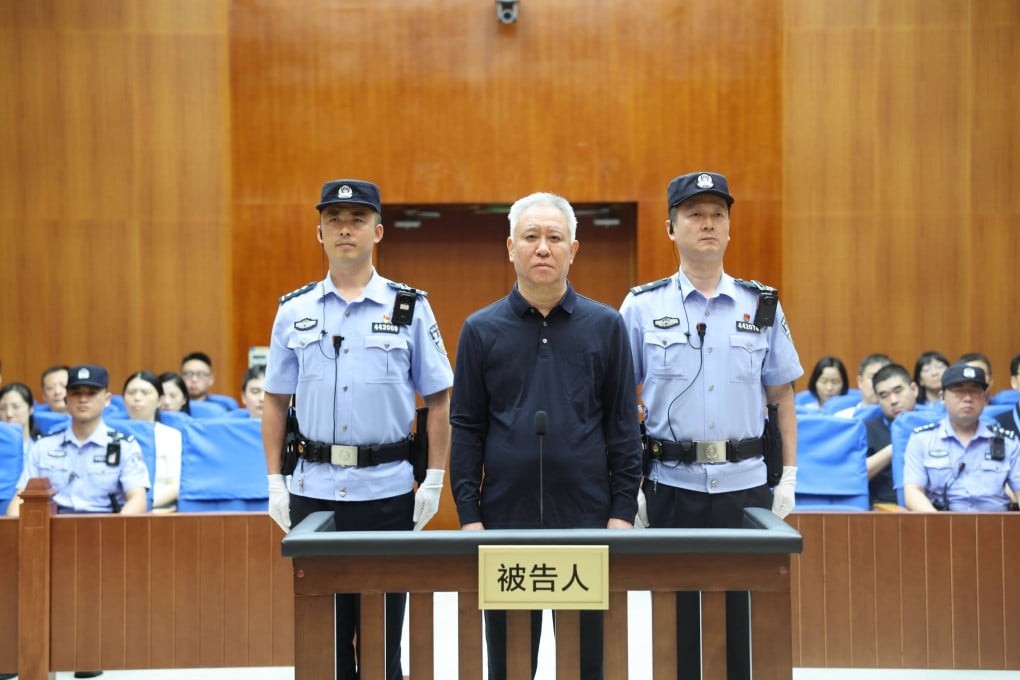
China’s billionaire Evergrande founder Hui Ka-Yan sentenced to life in prison, personal property to be confiscated
The founder and former chairman of China Evergrande Group, Hui Ka-Yan, has been sentenced to life imprisonment after pleading guilty to corporate bribery.
Anti-Corruption
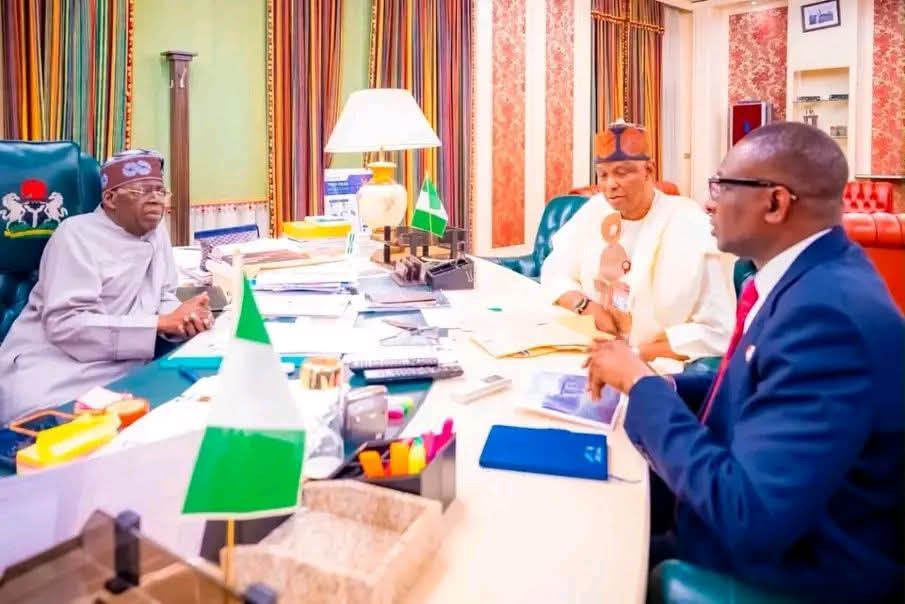
Corruption Proceeds: Tinubu meets EFCC chairman, housing minister on how to manage, dispose of seized properties
The meeting reviewed how to manage seized residential properties in line with the principles of transparency and accountability.

Abuja
Tinubu govt looted fuel subsidy funds, I’ll restore policy if elected president: Atiku
“Where is the money? They stole it. I will return fuel subsidy. The big thing was that they removed the subsidy, but where is the money?” stated Mr Abubakar.


