
Insecurity, poverty major threats to Nigeria’s health system, says APHPN president
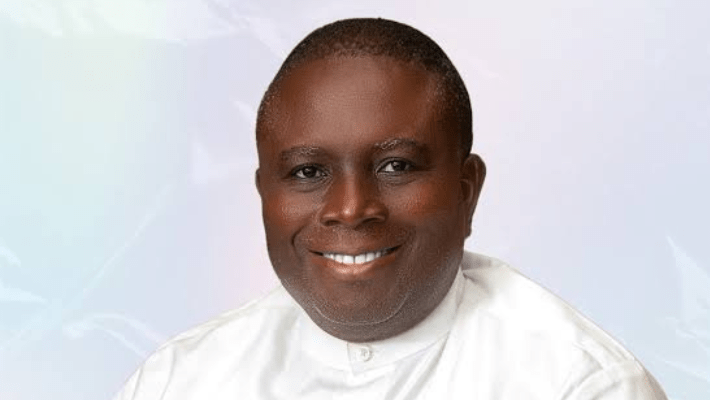
Terfa Kene, President of the Association of Public Health Physicians of Nigeria (APHPN), says insecurity, poverty, and systemic gaps remain major threats to public health outcomes in spite of ongoing government efforts.
Mr Kene made this known during an interview with journalists on Sunday in Abuja.
According to him, though Nigeria has faced multiple public health issues over the years, its efforts in addressing them are steps in the right direction.
He, however, noted that persistent structural challenges continued to undermine progress, emphasising that insecurity remained a critical factor affecting health service delivery and access in many communities.
He explained that insecurity disrupts healthcare systems as health workers flee affected areas, leaving facilities unattended and limiting the implementation of programmes such as immunisation and other essential interventions in vulnerable communities nationwide.
Mr Kene identified poverty as another major driver of poor health outcomes, describing its relationship with disease as inseparable and deeply rooted in Nigeria’s development challenges across communities nationwide at the present time.
“We are talking about poverty, poverty and disease are twins and anywhere there is poverty, disease follows.
“Once 70 per cent of people are in poverty, all the indicators around health will become poor,” he said.
He added that declining purchasing power affected access to food and healthcare, worsening key health indicators such as maternal and infant mortality across the country’s population groups significantly nationwide.
Mr Kene said that without addressing poverty, public health interventions would yield limited results, as many Nigerians cannot afford basic healthcare services or preventive treatments when needed across communities nationwide.
He also highlighted weaknesses in the primary healthcare system, noting that a focus on infrastructure without community involvement undermined the effectiveness and sustainability of health interventions at the grassroots level.
“Primary health care is not about infrastructure alone, it is about what the community can do in the spirit of self-reliance,” he said.
He said many facilities lacked essential services such as power supply, affecting storage of vaccines and delivery of care, while increasing operational costs for both public and private hospitals nationwide.
He explained that unstable power supply also affected medical practice, including surgeries and patient care, contributing to stress, inefficiency, and poor work-life balance among healthcare professionals.
On solutions, Mr Kene called for collective responsibility, urging communities, individuals, government, and development partners to collaborate in strengthening primary healthcare systems and improving service delivery nationwide.
“Government has no capacity to solve the health problem in Nigeria alone so we must see PHC as part of our life,” he said.
He advocated for community-driven support for primary healthcare centres, including funding, infrastructure, and maintenance, to complement government efforts and ensure sustainability of services across local communities nationwide.
“If friends come together to contribute a certain amount of money to a PHC, by the end of the year that PHC should have water, solar, almost everything,” he said.
Mr Kene said the association was promoting the adoption of primary healthcare centres, telemedicine services, and partnerships with stakeholders to improve access, strengthen systems, and enhance community participation in healthcare delivery systemwide.
He acknowledged challenges, including bureaucratic delays and resistance from some stakeholders, but expressed optimism that sustained advocacy and collaboration would yield positive outcomes for Nigeria’s public health system improvement nationwide.
(NAN)

We have recently deactivated our website's comment provider in favour of other channels of distribution and commentary. We encourage you to join the conversation on our stories via our Facebook, Twitter and other social media pages.

More from Peoples Gazette

Agriculture
FG tasks ECOWAS on leveraging financing strategies for agroecology
The federal government has urged stakeholders in the agriculture and finance sectors in the West Africa region to leverage financing strategies to enhance agroecology practices

Politics
Katsina youths pledge to deliver over 2 million votes to Atiku
“Katsina State is Atiku’s political base because it is his second home.”

World
Gunman in Washington dinner attack identified, likely targeted Trump: Official
The attorney general said the suspect was identified as Cole Tomas Allen, 31, of Torrance, California.

States
Speaker Abbas Tajudeen’s inaccessibility threatens APC’s 2027 chances in Kaduna, party chieftain says
According to him, the Speaker’s continued disconnect with his constituents will negatively impact the party.

Africa
Rapid tech, global shifts demand urgent action from African governments: ECA
He said Africa risked missing out on emerging opportunities if it failed to act decisively.

NationWide
Experts urge stronger board roles in ESG implementation
According to her, ESG is no longer optional; it is a determinant of survival and growth.

Economy
NDPHC to supply power to Odukpani park
He said the partnership would become a model for integrated power and industrial development nationwide.
Africa
Mali defence minister Sadio Camara killed in terrorist attack
Mr Camara, one of his wives and two grandchildren were killed in a car bomb attack.


