
HPV, malaria vaccines save one million African lives as funding shifts

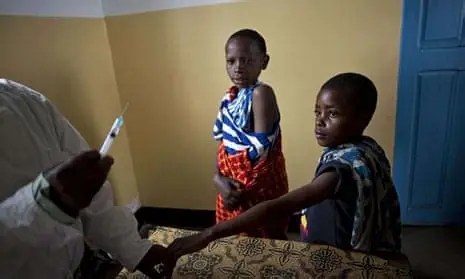
As of 2024, human papillomavirus vaccines have averted nearly one million cervical cancer deaths in 29 African countries, while the malaria vaccine, now in 25 countries, is already cutting severe disease and hospitalisations.
This is based on an assessment by Gavi, the Vaccine Alliance, and the World Health Organisation Africa Region, released ahead of African Vaccination Week, from April 24 to April 30, and World Malaria Day on April 25.
Immunisation coverage has expanded on the continent since 2000, when just eight vaccine-preventable diseases were included in routine immunisation schedules compared with 13 currently.
The introduction of vaccines such as the malaria and HPV vaccines is providing vital protection for children, young girls, and women.
Recent HPV campaigns in Nigeria, Ghana, Ethiopia, and Angola vaccinated millions of girls within weeks. They used schools and existing health programmes to do it, even while battling other outbreaks and competing priorities.
Since 2019, the number of African countries with HPV vaccination programmes has increased from 12 to 35, and coverage rates have risen from five per cent in 2014 to 47 per cent in 2024, placing the region second globally in terms of coverage, behind the Americas.
Across Africa, HPV vaccination has generated an estimated $1.8 billion in economic benefits through avoided treatment costs, productivity gains, and lives saved.
Through the Gavi-supported malaria vaccine programme, implemented by countries in partnership with WHO, UNICEF and others, more than 52 million doses have been delivered since 2023 in some of the world’s highest‑burden, fragile, and operationally complex settings.
Early reports from Kenya, Malawi, Ghana and Cameroon show reduced severe disease and hospital admissions, reinforcing pilot data.
The same pattern is visible in Burkina Faso, where the vaccine has been introduced and expanded nationwide to all 70 health districts.
Alongside other control measures, these efforts have already contributed to a 32 per cent decline in reported malaria cases between 2024 and 2025.
This also included sharp reductions in cases among children under five and nearly halved malaria‑related child deaths.
Initial estimates from Burkina Faso’s Ministry of Health indicate household savings of more than $26.6 million in direct healthcare costs, highlighting how vaccines, combined with strong national programmes, can shift transmission at scale.
Translating this momentum into sustained impact, WHO is working with partners and governments to reinforce the operational systems that underpin malaria vaccine rollout.
Regional political platforms, including the Economic Community of West African States Assembly, provide an important space for sustained ministerial engagement as countries move from introduction to long-term programmatic integration.
Robert Lucien Kargougou, Burkina Faso’s health minister, said for decades, malaria placed a heavy burden on Burkina Faso’s health system and on families, especially during the rainy season.
Building on years of planning, community engagement, and awareness-raising, Africa is poised to change the game in the fight against both cervical cancer and malaria.
By 2030, 10 more African countries will roll out the HPV vaccine, and five more will introduce the malaria vaccine, all with Gavi support. Overall, the programme seeks to reach 50 million children across the continent with a full course of malaria vaccines by the end of the decade.
(NAN)

We have recently deactivated our website's comment provider in favour of other channels of distribution and commentary. We encourage you to join the conversation on our stories via our Facebook, Twitter and other social media pages.

More from Peoples Gazette

Agriculture
FG tasks ECOWAS on leveraging financing strategies for agroecology
The federal government has urged stakeholders in the agriculture and finance sectors in the West Africa region to leverage financing strategies to enhance agroecology practices

Politics
Katsina youths pledge to deliver over 2 million votes to Atiku
“Katsina State is Atiku’s political base because it is his second home.”

Heading 5
Former Super Eagles striker Michael Eneramo dies after collapsing during match
According to the NFF, initial reports suggest that Eneramo suffered a cardiac arrest.

Economy
Dangote Refinery exports 1.1 billion litres of aviation fuel to Europe, supplies 95% of Nigeria’s Jet A1
The Airlines Operators of Nigeria has described the Dangote Petroleum Refinery and Petrochemicals as a critical pillar of support for Nigeria’s aviation industry.
Health
Big Catch-Up initiative delivers 100 million childhood vaccine doses
Gavi said BCU, launched during World Immunisation Week in 2023, also provided 23 million doses of inactivated polio vaccines to partially vaccinated and unvaccinated children.

Faith
If abducted, give bandits my phone number, Oyedepo tells church members
Mr Oyedepo urged his members not to live in fear.

Economy
U.S. revitalises key credit guarantee programme to boost agricultural trade with Nigeria
The United States has expanded support for agricultural trade through the U.S. Department of Agriculture’s Export Credit Guarantee Program, known as GSM-102.

Health
Lassa is curable if detected early, expert says
Olukemi Adekanmbi, a consultant infectious disease physician at University College Hospital, Ibadan, says Lassa fever is curable.


