
Experts urge improved electricity, vocational training as Nigeria’s textile output rises 45%
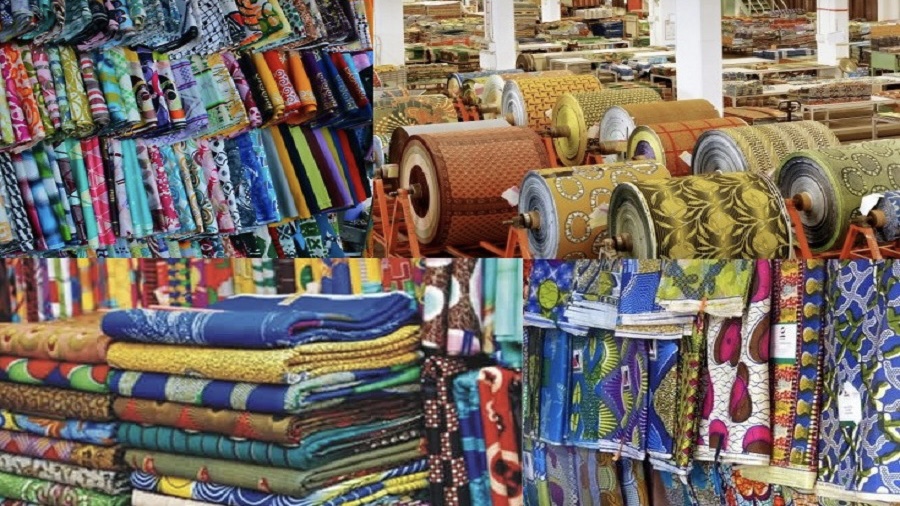
Nigeria’s textile production has increased by more than 45 per cent, reducing dependence on imported clothing and creating fresh opportunities for manufacturers across the country.
Experts told journalists on Saturday that the growth reflected increased local investment, stronger patronage of Nigerian products, and rising entrepreneurial interest among young people.
They urged the federal government to sustain the momentum through modern production facilities, affordable financing, stable electricity, and vocational training to enhance global competitiveness.
Economic and development expert Umar Salis described the increase in production as evidence of the resilience and creativity of Nigerian entrepreneurs despite prevailing economic challenges.
According to Mr Salis, Nigeria is steadily reversing years of dependence on imported garments by increasing domestic production of jerseys, trousers, jackets, suits, and T-shirts.
“The progress recorded in the textile industry creates jobs, conserves foreign exchange, and strengthens Nigeria’s manufacturing base.
“Government should provide industrial clusters, affordable credit, uninterrupted electricity, and advanced production equipment, especially for young entrepreneurs.
“With the right support, Nigeria can become a leading textile and garment production hub in Africa,” Mr Salis said.
Garment manufacturer Musa Ibrahim said growing demand for locally produced clothing had encouraged many small and medium-sized enterprises to expand production nationwide.
He said stronger consumer confidence in Nigerian-made products had stimulated investment, increased employment, and strengthened activities throughout the textile value chain.
“We are producing quality jerseys, trousers, jackets, uniforms, and corporate wear that compete favourably with imported products.
“Our major challenge remains access to modern machines, stable electricity, and affordable financing,”Mr Ibrahim said.
Fashion entrepreneur Aisha Muhammad described the development as a positive opportunity for women and young people seeking sustainable livelihoods through garment production.
She said many women had established tailoring and garment businesses, creating income, expanding entrepreneurship, and reducing unemployment in their communities.
“The government should establish more vocational training centres, provide grants, and subsidise modern sewing and textile equipment for young people.
“Empowering youth and women with the right facilities will increase production, reduce poverty, and strengthen the nation’s economy,” Ms Muhammed said.
The experts agreed that sustained investment in domestic textile production would accelerate industrialisation, expand exports, strengthen manufacturing, and further reduce Nigeria’s reliance on imported clothing.
(NAN)

We have recently deactivated our website's comment provider in favour of other channels of distribution and commentary. We encourage you to join the conversation on our stories via our Facebook, Twitter and other social media pages.

More from Peoples Gazette

Agriculture
FG tasks ECOWAS on leveraging financing strategies for agroecology
The federal government has urged stakeholders in the agriculture and finance sectors in the West Africa region to leverage financing strategies to enhance agroecology practices

Politics
Katsina youths pledge to deliver over 2 million votes to Atiku
“Katsina State is Atiku’s political base because it is his second home.”

NationWide
2027: Oyedepo urges Christians to secure PVCs, says leadership shapes destiny
He said Christians should see their PVCs as instruments of change and national transformation.

Anti-Corruption
Gbajabiamila Bribery Scandal: Tinubu knows his staff sell appointments, says SDP presidential candidate
The presidential candidate described Mr Tinubu’s government as a clearing and forwarding government.

Economy
Restoration of Gbarain power plant begins
The project targets improved electricity supply nationwide.

NationWide
Lawyers seek non-custodial sentencing, speedy trials to decongest prisons
Lawyers called for comprehensive criminal justice reform to decongest correctional centres nationwide.

Africa
ICRC DG advocates PPPs to bridge West Africa’s infrastructure gap
Mr Ewalefoh said governments across the region could no longer rely solely on public resources to provide critical infrastructure.
Education
School Graduation: Rising costs put Lagos parents under pressure
Education stakeholders who spoke with journalists said the growing extravagance around school graduations calls for moderation.


