
Ex-NiDO chairman hails Ghanaian president for UN resolution declaring slave trade crime

A former president, Nigerians in Diaspora Organisation (NiDO), Qatar, Victor Ikoli, has applauded Ghana’s President John Mahama’s contribution toward achieving the UN Resolution declaring transatlantic slave trade as the gravest crime in human history.
Mr Ikoli, who is also a communications strategist,
made this known during a telephone interview on Saturday.
The UN passed the Resolution during the 2026 International Day of Remembrance of the Victims of Slavery and the Transatlantic Slave Trade focused on reflection and retrospection.
According to Mr Ikoli, Mr Mahama’s push for reparations from slave trade should not be dismissed as symbolism.
He said that the development, unfortunately, was a reminder to all that much of the modern world rests on an atrocity, “so vast that its effects still shaped power, wealth, and identity today.”
Mr Ikoli said, “President Mahama’s call at the United Nations to recognise transatlantic slavery as the gravest crime in human history, and to pursue reparations should not be dismissed as symbolism.
“It is, at its core, a call for honesty. A call to confront history with clarity, and to accept responsibility where it is due.
“They have to move beyond the narrow idea of cash payments. If reparations are to carry any real weight, they must be broader, deeper, and sustained touching on four key areas.”
He stressed that reparations were not some sort of favour to Africa, but should be seen as a long-term commitment toward achieving a world that claims, and intends to take justice, seriously.
Mr Ikoli suggested that such reparations should be based on historical acknowledgement of clear, global admission that the transatlantic slave trade was not an unfortunate episode.
Rather, he said, it proved to have been a deliberate economic system, which enriched some nations, while devastating others.
“Then comes institutional redress. meaningful investment in African economies, education, cultural institutions, and technology not framed as aid, but understood as restitution for centuries of extraction.
“There is also the question of diaspora reconnection. For millions whose histories were violently severed, reparations should include pathways to rediscover identity, rebuild cultural ties, and move more freely between continents.
“Finally, policy-level change is essential. This includes debt relief, fairer trade systems, and dismantling the global economic structures that still echo colonial hierarchies,” he said.
He further said that the transatlantic slave trade disrupted population growth, weakened political systems, and derailed economic development.
Mr Ikoli said that millions of young, able people were taken, societies were destabilised, and patterns of underdevelopment took root long before the formal colonial period began.
He stated, “Perhaps, Africa’s present challenges are not the product of any inherent weakness. They are the result of interruption. Without the sustained extraction of its people, the continent’s path may well have resembled that of other ancient civilisations that were allowed to evolve without such profound disruption.”
He added that even Africa’s story cannot be reduced to loss.
He noted, “It is also a story of endurance, reinvention, and cultural influence that continues to shape the world. The conversation around reparations is not about dwelling on the past. It is about removing the quiet, persistent barriers that history has left behind and making space for a more equal future.”
(NAN)

We have recently deactivated our website's comment provider in favour of other channels of distribution and commentary. We encourage you to join the conversation on our stories via our Facebook, Twitter and other social media pages.

More from Peoples Gazette

Agriculture
FG tasks ECOWAS on leveraging financing strategies for agroecology
The federal government has urged stakeholders in the agriculture and finance sectors in the West Africa region to leverage financing strategies to enhance agroecology practices

Politics
Katsina youths pledge to deliver over 2 million votes to Atiku
“Katsina State is Atiku’s political base because it is his second home.”
Sport
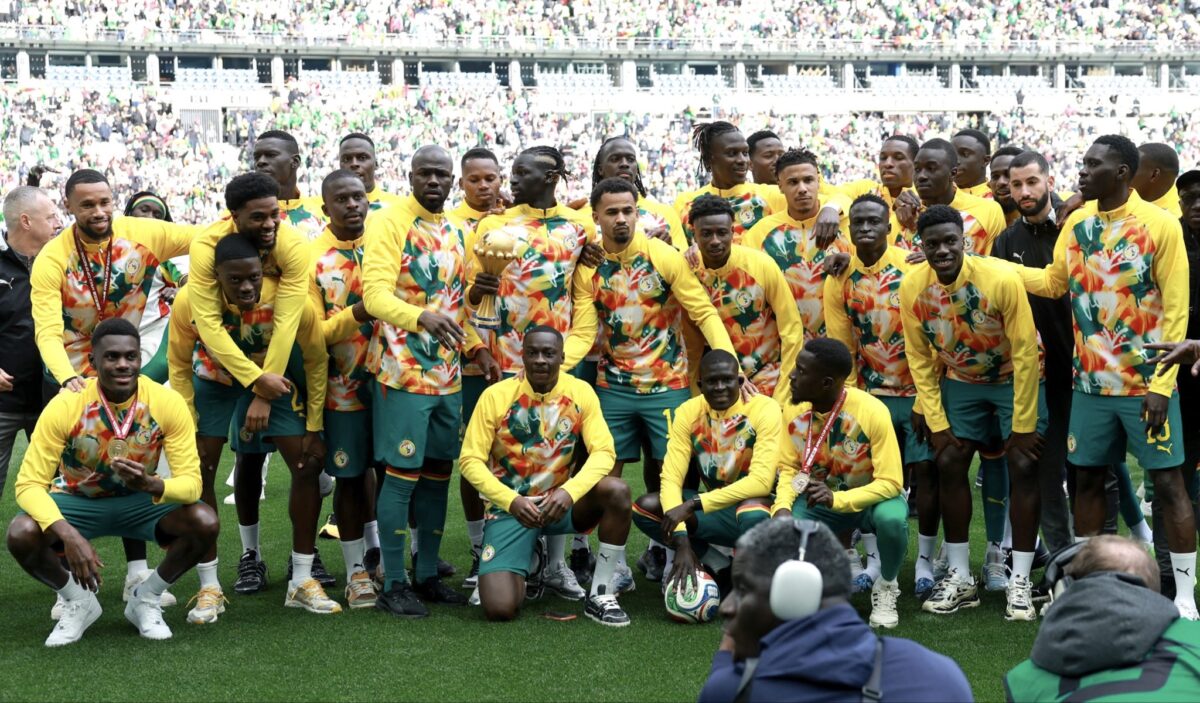
Senegal parade disputed AFCON trophy before Peru friendly in France
On March 17, CAF overturned the outcome of the 2025 AFCON final in favour of Morocco.

NationWide
First Bank to train 3,700 students on financial literacy
He said GMW is a campaign to help young people understand money early.

NationWide
Lawyer seeks stronger cybersecurity, data protection laws
He added that clear legal frameworks should be developed for cross-border data transfers.
Abuja
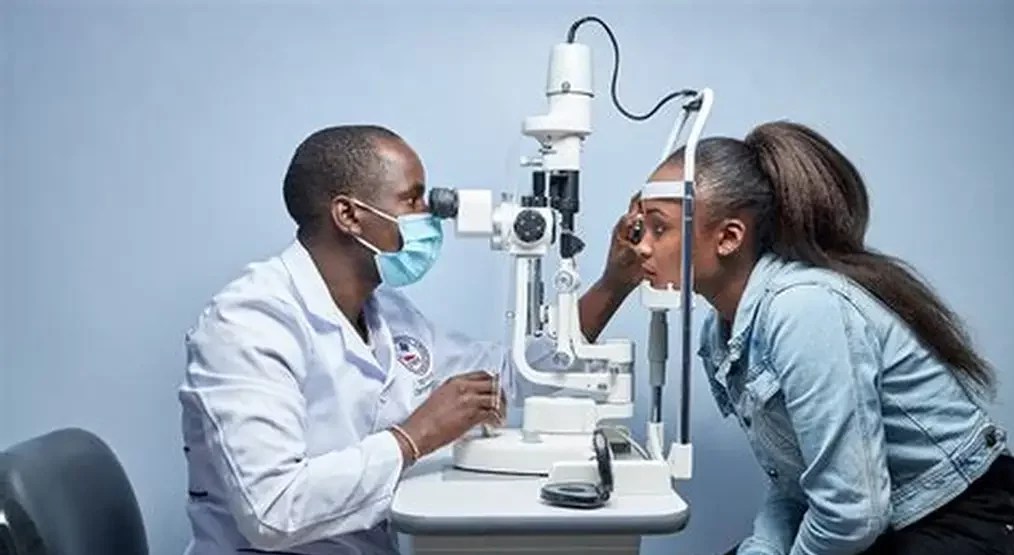
Foundation offers free eye care to 1,000 FCT residents
He said that the intervention was designed to address limited access to quality eye care.
States
Otti pledges full functionality for 948 primary healthcare centres
Mr Otti said the state government had approved the recruitment of 771 healthcare professionals.
Politics
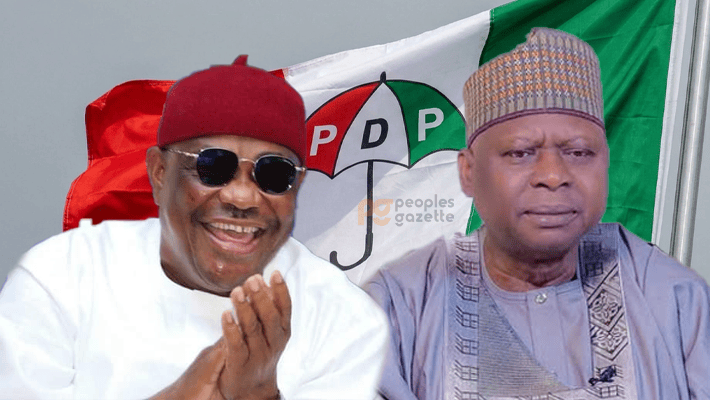
Turaki-led PDP’s appeal at Supreme Court baseless: Wike
According to him, the convention will proceed.


