
Dermatologists urge Nigerians to shun bleaching, prioritise healthy skin
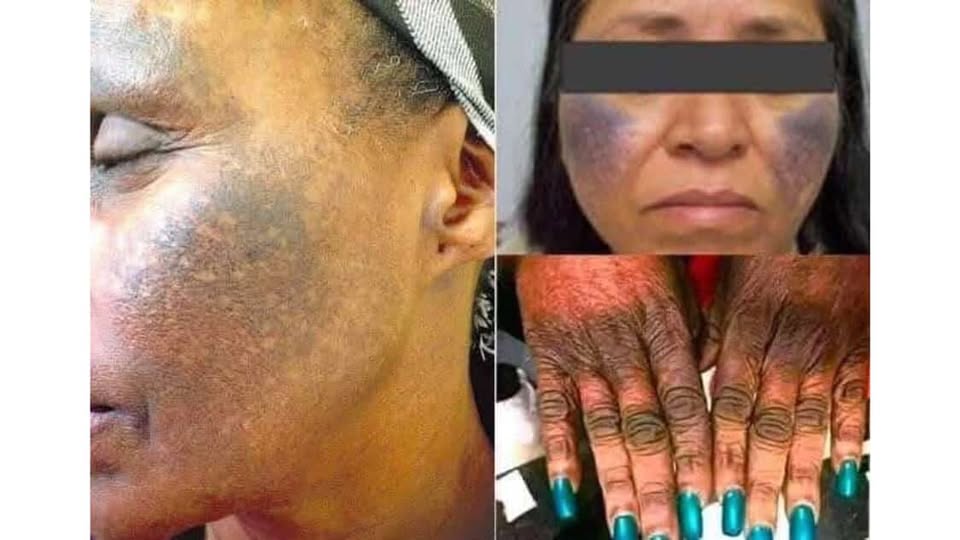
The Nigerian Association of Dermatologists (NAD) has urged Nigerians to reject harmful skin-bleaching practices and prioritise healthy skin over skin colour to reduce the burden of skin diseases in the country.
Folakemi Cole-Adeife, consultant physician and dermatologist at the Lagos State University Teaching Hospital (LASUTH), made the call on Tuesday ahead of the 2026 World Skin Health Day, observed annually on July 8.
World Skin Health Day is marked to raise awareness, improve education and advocate for equal access to dermatological care worldwide.
This year’s commemoration has the theme “Better Knowledge, Better Skin Health.”
Ms Cole-Adeife said there was a need to improve public awareness of skin diseases, promote healthy skin practices and expand access to quality dermatological care.
She said the Nigerian campaign, with the theme “Skin Health Beyond Skin Colour,” sought to redirect public attention from changing skin colour to protecting skin health.
“Healthy skin is not determined by how light or dark it is. Healthy skin is skin that performs its natural functions, protects the body from disease and contributes to overall wellbeing,” she said.
The dermatologist described skin diseases as among the most common health conditions worldwide, affecting people of all ages.
She listed common skin conditions, including eczema, acne, psoriasis, fungal infections, vitiligo, skin cancers, and other infections.
She also noted that although many skin diseases were preventable or treatable, delayed presentation, misinformation, self-medication, and limited access to specialist care often resulted in avoidable complications.
Ms Cole-Adeife expressed concern over the growing use of skin-lightening products across Africa, attributing the trend to harmful beauty standards, colourism, misinformation and aggressive marketing.
“Many skin-bleaching products contain dangerous substances, including potent corticosteroids, mercury and excessive concentrations of hydroquinone.
“These substances can cause permanent skin damage, severe acne, difficult-to-treat infections, stretch marks, delayed wound healing, kidney damage and adrenal suppression.
“Skin bleaching is no longer merely a cosmetic issue. It is a significant public health concern that requires education, stronger regulation, responsible marketing and community engagement,” she said.
She said the association was collaborating with government agencies, healthcare professionals, pharmacists, public health experts, civil society organisations and community leaders to promote evidence-based skin health education.
According to her, the association will hold community outreach, healthcare worker training, stakeholder engagement, public lectures, digital advocacy and a Pan-African webinar on tackling skin bleaching in Africa to mark the event.
Ms Cole-Adeife also advised Nigerians to disregard myths surrounding skincare, stressing that healthy skin did not require harsh products or unnecessary cosmetic procedures.
She recommended simple daily practices such as gentle cleansing, regular moisturising, sun protection, prompt treatment of skin conditions and avoiding unregulated skincare products.
The dermatologist urged Nigerians to obtain skincare information from qualified healthcare professionals rather than relying on misinformation circulating on social media or advice from unqualified vendors.
She also advised members of the public to seek medical attention for persistent rashes, non-healing wounds, severe itching, changing moles, unexplained changes in skin colour, and other persistent skin conditions.
Responding to questions, Ms Cole-Adeife said skin diseases could result from infections, allergies, genetic factors, immune disorders, environmental exposure, excessive sunlight, medications, and unhealthy lifestyle practices.
She added that the misuse of skin-lightening products had become a significant contributor to many skin disorders.
The dermatologist advised Nigerians to maintain good hygiene, moisturise regularly, protect themselves from excessive sunlight, avoid sharing personal items, eat a healthy diet, and avoid harmful skin-bleaching products.
She cautioned against self-medication, particularly the indiscriminate use of steroid-containing creams and unregulated skin-lightening products.
According to her, early diagnosis and treatment by qualified healthcare professionals remained the best way to prevent complications.
Ms Cole-Adeife reaffirmed that the central message of this year’s campaign was that healthy and beautiful skin comes in all skin colours.
She called on Nigerians to embrace their natural complexion, reject harmful beauty standards and prioritise knowledge, prevention and healthy skincare practices.
(NAN)

We have recently deactivated our website's comment provider in favour of other channels of distribution and commentary. We encourage you to join the conversation on our stories via our Facebook, Twitter and other social media pages.

More from Peoples Gazette

Agriculture
FG tasks ECOWAS on leveraging financing strategies for agroecology
The federal government has urged stakeholders in the agriculture and finance sectors in the West Africa region to leverage financing strategies to enhance agroecology practices

Politics
Katsina youths pledge to deliver over 2 million votes to Atiku
“Katsina State is Atiku’s political base because it is his second home.”

Health
Ogun assembly passes safe pregnancy termination bill for second reading
Mr Elemide said the legislation was intended to reduce preventable maternal deaths while promoting safe motherhood and reproductive health rights.

Economy
Investors gain N1.86 trillion as stock market extends rally
Market capitalisation rose by 1.24 per cent, or N1.864 trillion, to close at N152.135 trillion, up from N150.271 trillion.

Abuja
Court adjourns trial of six alleged coup suspects until July 20
The case could not proceed after repeated disputes over the interpretation of the sixth defendant’s testimony.

States
NDLEA arrests 42 suspects, destroys three cannabis farms in Edo
The commander said the agency also secured the conviction of 10 drug offenders.

Heading 4
Tinubu inaugurates presidential committee on national policing bill
“The constitution amendment bill establishes the framework for dual policing, but it does not operationalise it. That work is left to the national policing bill,” he said.

Africa
Zimbabwean president signs constitutional change extending time in power
83-year-old Zimbabwean President Emmerson Mnangagwa signed a constitutional amendment extending his stay in office.


