

Cleaner Technology: COP30 pushes for sustainable cooling, AI innovation
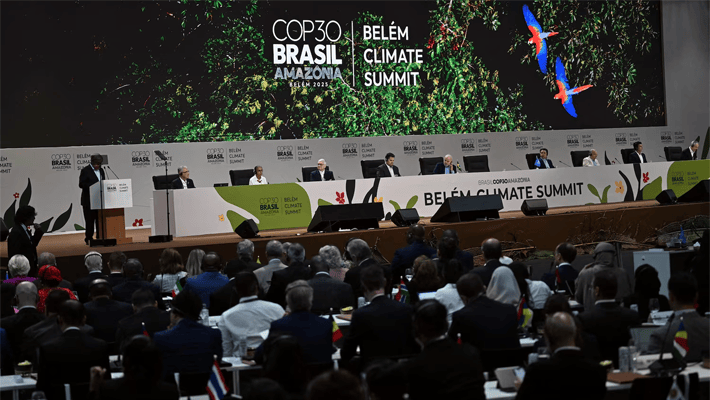
Delegates at the 30th Conference of the Parties have urgently called for the widespread adoption of sustainable cooling solutions and the strategic integration of artificial intelligence to combat the escalating climate crisis.
AI, they said, was already helping farmers predict droughts and manage crops more efficiently, but the environmental cost of training large models and running vast data centres is raising alarms.
Meanwhile, cooling – once seen as a luxury, now a survival need in many parts of the world – remains one of the fastest-growing sources of greenhouse gas emissions. From passive cooling architecture to solar-powered refrigeration, sustainable alternatives are gaining traction; however, scaling them up is another challenge.
At the centre of the negotiations at COP 30 is the long-delayed Technology Implementation Programme, a blueprint for bringing life-saving innovations to those who need them most.
But progress is slow. Intellectual property rules, commercial restrictions, and financing hurdles continue to block access for developing countries – even as the urgency grows.
COP30 executive director Ana Toni made this statement during a session she attended on technological innovations that could accelerate climate solutions – from flood warning systems and methane-monitoring satellites to breakthroughs in energy efficiency.
The issue returned to centre stage on Tuesday with the launch of the Beat the Heat Implementation Drive, a joint push by Brazil’s COP30 presidency, the UN Environment Programme, and partners in the Cool Coalition.
The initiative aims to make cooling more accessible – and less polluting – in a world where deadly heatwaves are becoming the norm.
Cooling demand is expected to triple by 2050, driven by rising temperatures, growing populations, and expanding access to inefficient cooling systems. Without intervention, emissions from cooling could nearly double, overwhelming power grids and pushing climate goals out of reach.
The UNEP’s new Global Cooling Watch 2025 report warns that business-as-usual cooling could generate 7.2 billion tonnes of CO₂-equivalent emissions by mid-century.
The Beat the Heat drive promotes a Sustainable Cooling Pathway – a mix of passive design, nature-based solutions, and clean technologies that can slash emissions by up to 97 per cent when paired with rapid decarbonization.
It’s not just about air conditioners: cool roofs, urban green spaces, and low-energy systems are central to the plan. Nearly two-thirds of the potential emissions cuts come from passive and low-energy solutions, many of which are affordable and scalable.
“Cooling must be treated as essential infrastructure, alongside water and energy,” UNEP executive director Inger Andersen said. “But we cannot air condition our way out of the heat crisis.”
More than 185 cities – from Rio to Nairobi – have signed on to Beat the Heat, alongside 72 countries that have backed the Global Cooling Pledge. The initiative is designed to bridge gaps in finance, policy, and delivery, particularly for vulnerable communities on the front lines of climate change.
While AI isn’t part of the formal negotiations at COP30, it’s gaining traction in the Action Agenda – a platform designed to mobilise voluntary climate action from civil society, businesses, investors, cities, and states. These actors may not sign treaties, but they’re essential to turning climate commitments into reality.
Brazil’s government is mapping successful examples of how AI can support climate resilience, a growing trend among other UN member states.
One standout example comes from the Lao People’s Democratic Republic, where researcher Alisa Luangrath developed an AI-powered irrigation system in Savannakhet Province, a region severely affected by water shortages and climate stress.
She was named the 2025 winner of the UNFCCC ‘AI for Climate Action’ Award.
(NAN)

We have recently deactivated our website's comment provider in favour of other channels of distribution and commentary. We encourage you to join the conversation on our stories via our Facebook, Twitter and other social media pages.


More from Peoples Gazette

Agriculture
FG tasks ECOWAS on leveraging financing strategies for agroecology
The federal government has urged stakeholders in the agriculture and finance sectors in the West Africa region to leverage financing strategies to enhance agroecology practices

Politics
Katsina youths pledge to deliver over 2 million votes to Atiku
“Katsina State is Atiku’s political base because it is his second home.”

Diaspora
Trump orders U.S. embassies to reject visa applications of fat Nigerians, other nationals
Mr Trump has announced plans to reject visa applications of certain fat people from Nigeria and other parts of the world.

Heading 2
Paramilitary Recruitment: Shortlisted candidates receive login directive for computer-based test
The online CBT phase of the recruitment exercise commencing on Wednesday (today) would continue until next week and commence at 9:00 a.m. daily.

Heading 1
Super Eagles owed six years’ allowances by NFF despite Tinubu’s N12 billion approval
“Once resolution is found, we will be the first to confirm,” Super Eagles captain Ekong said.

Hot news Home top
Tinubu owes Super Eagles allowances but wastes money on ‘needless lavish spending’: Peter Obi
Former presidential candidate Peter Obi has condemned President Bola Tinubu’s government’s failure to pay allowances and bonuses to Super Eagles players.

Politics
Governor Idris inaugurates N5 billion road dualisation project in Jega
Governor Nasir Idris has inaugurated the dualisation of Abdulsalami Road in Jega town, Jega LGA, worth N5.14 billion.

Anti-Corruption
Customs, ICPC strengthen partnership to curb corruption, boost revenue
Apapa area command of the Nigeria Customs Service has partnered with ICPC to deepen intelligence sharing and strengthen anti-corruption systems for improved revenue.


