
African leaders meet over use of nuclear power on continent
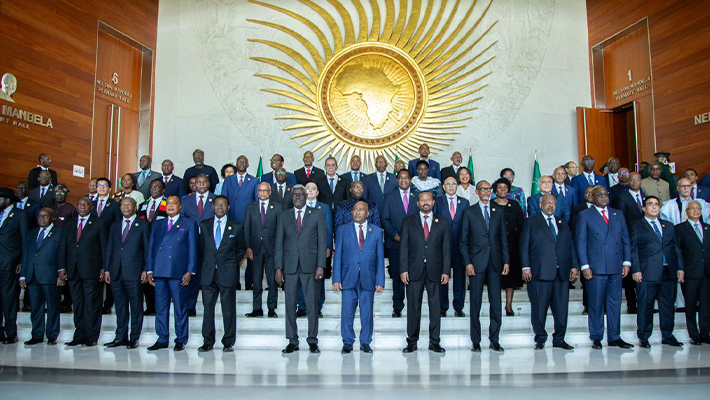
African governments pursuing nuclear power have moved discussions beyond whether the technology should be part of the energy mix to the practical requirements for implementation.
The practical requirements are said to include reactor selection, regulation, finance, project structures, skills and training, and long-term institutional capacity.
The deliberation came amid the return of nuclear energy to strategic power-sector discussions, as countries now consider how to secure reliable, low-carbon baseload electricity while expanding variable renewable generation.
According to a statement in Cape Town, South Africa, on Monday, the issues were examined in the Industry Insights Nuclear Energy Volume, created by VUKA Group through its trusted media house, ESI Africa.
It stated, “The volume considers which nuclear technologies are leading the generation market, why other technologies are struggling, and which African countries have progressed furthest in translating nuclear intent into practical programmes.”
Noting that technology selection remains an important part of any nuclear programme, the volume examined the reactor types available to the market and the technologies likely to attract attention once South Africa’s bidding and procurement processes begin.
“Detailed coverage of the AP1000 and VVER-1200 places these designs within their development and operating contexts. The volume also considers the mined minerals supporting the nuclear energy future and the wider resource requirements behind the fuel cycle.
“Reactor selection, however, is only one part of delivery. Nuclear programmes also require credible governance, regulatory capacity, appropriate skills, financing structures and sustained policy commitment,” added the statement.
It noted that several features in the volume examined Africa’s race for atomic power and the countries moving furthest towards implementation, adding that the coverage considers why nuclear energy is becoming an execution question for governments rather than a purely philosophical discussion.
“It also examines the cost of excluding nuclear power from long-term planning and what must happen to move programmes from a national vision towards bankable reality. Each country will need to assess nuclear development against its own electricity demand, financial position, regulatory environment and institutional capabilities.
“Comparing progress across African markets can nevertheless help decision-makers understand the different pathways available and the foundations that need to be established before procurement or construction begins,” said the statement.
It added that nuclear development, which involves large capital requirements and long planning and delivery periods, will determine whether policy becomes a programme.
It noted that projects must be supported by clear ownership arrangements, credible institutions and financing models suited to their development timelines, while governments and utilities must also consider how risks will be allocated and how programmes will retain continuity across planning, procurement, construction and operation.
It was stated that nuclear energy would be part of the wider discussion on generation, investment, and electricity-system development at Enlit Africa, taking place from May 11 to 13, 2027, at the CTICC in Cape Town, South Africa.
The event will bring together stakeholders from across the power and energy sector to examine the policies, technologies, investments, and delivery models shaping Africa’s electricity future.

We have recently deactivated our website's comment provider in favour of other channels of distribution and commentary. We encourage you to join the conversation on our stories via our Facebook, Twitter and other social media pages.

More from Peoples Gazette

States
Independence: NBA urges Nigerians to expect better future
The NBA said that ordinary Nigerians should be deriving benefit from the subsidy removal rather than hardship.

Agriculture
FG tasks ECOWAS on leveraging financing strategies for agroecology
The federal government has urged stakeholders in the agriculture and finance sectors in the West Africa region to leverage financing strategies to enhance agroecology practices

Politics
Katsina youths pledge to deliver over 2 million votes to Atiku
“Katsina State is Atiku’s political base because it is his second home.”

Politics
Delta Nollywood pledges to mobilise for Tinubu, Oborevwori
Mr Otoide said the group was determined to sustain its momentum and contribute to the political mobilisation for Mr Tinubu’s re-election in 2027.

Politics
Kebbi: Gov Idris reinstates suspended commissioner
Governor Nasir Idris reinstated the animal health commissioner, Kabir Alaramma, on Monday, effective immediately.

Education
FUL to graduate 5,638 students at 10th convocation
FUL will graduate 5,638 students, including 182 PhD graduates, at its 10th convocation ceremony scheduled for Saturday.

States
Alleged kidnappers of boy in Kaduna nabbed
In a statement on Monday, the command’s spokesman, Mansir Hassan, said the child was abducted on Sunday at about 6:00 a.m.

Enugu
Enugu: Governor appoints actress Destiny Etiko as special assistant
Nollywood actress Destiny Etiko has been appointed senior special assistant to Governor Peter Mbah on youth engagement and the creative economy.

Abuja
INEC yet to receive court order on ADC, Tinubu, says Amupitan
INEC says it has not received the CTCs of recent court rulings concerning the ADC and the submission of President Bola Tinubu’s academic credentials.


