

673 million people live in hunger, says WFP
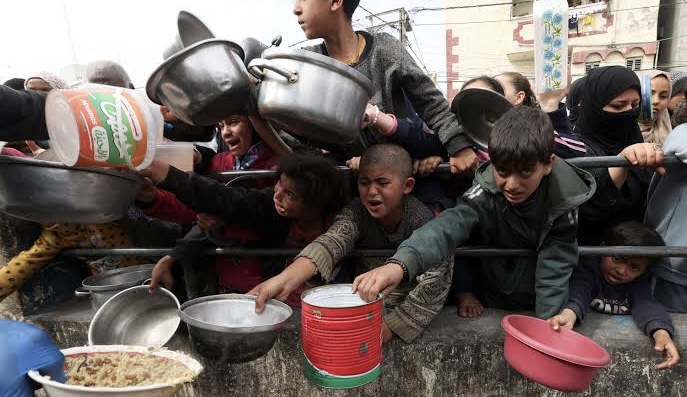
The World Food Programme says about 673 million people, or around eight per cent of the world’s population, are not getting enough to eat and going hungry.
The WFP, a UN food programme, said export restrictions, tariffs, and volatile commodity prices were destabilising food markets, making food less affordable and accessible in food-deficient countries.
These issues were compounded by trade policy uncertainty, especially global tariffs and inflation, WFP said, adding that this ultimately limits people’s access to affordable food.
The statement was made ahead of the 2025 World Food Day, which is commemorated every October 16, and listed Nigeria as one of the eight countries facing acute food security.
According to the WFP, out of the nearly 700 million people who live in extreme poverty globally, two-thirds reside in Sub-Saharan Africa.
The UN global food agency explained why there is not enough food to feed the global population of over eight billion, yet people still go hungry.
“Somalia, Sudan, South Sudan, Mali, Burkina Faso, the Democratic Republic of the Congo, Nigeria, and Ethiopia all face acute food insecurity driven by a combination of conflict, droughts, floods, and desertification,” it said.
The WFP said conflict, climate change, and inequality were all playing roles in the development of food insecurity, adding that there were also other reasons for it.
It said armed conflicts such as those in Ukraine, Sudan, and Gaza disrupt food production, supply chains, and access to markets.
“This leads to the displacement of people, creating acute food insecurity for millions,” it said.
WFP also said that increasing climate variability, including droughts, floods, and heat waves, was affecting the ability of farmers to grow food.
“This undermines agricultural productivity and food availability, especially in vulnerable regions. Global and regional economic downturns, rising food and energy prices, and inflation have combined to reduce purchasing power and access to nutritious food, particularly in low-income countries.
“The COVID-19 pandemic, the war in Ukraine, and climate shocks all contributed to food price surges between 2020 and 2024. As food prices rose, real wages fell and inflation kicked in, people, especially in low-income countries, were less able to afford nutritious food and often ate fewer meals per day,” it further said.
The WFP noted that deep-rooted poverty and social inequality limited access to food and resources, especially in rural and marginalised communities, perpetuating chronic hunger.
According to it, low incomes, poor infrastructure, and local services often mean that those marginalised, and especially women and indigenous groups, are not getting enough to eat.
(NAN)

We have recently deactivated our website's comment provider in favour of other channels of distribution and commentary. We encourage you to join the conversation on our stories via our Facebook, Twitter and other social media pages.


More from Peoples Gazette

Agriculture
FG tasks ECOWAS on leveraging financing strategies for agroecology
The federal government has urged stakeholders in the agriculture and finance sectors in the West Africa region to leverage financing strategies to enhance agroecology practices

Politics
Katsina youths pledge to deliver over 2 million votes to Atiku
“Katsina State is Atiku’s political base because it is his second home.”

Politics
Borno reaffirms commitment to enforcing urban development laws
The Borno government has reaffirmed its commitment to enforce urban development laws.
Agriculture
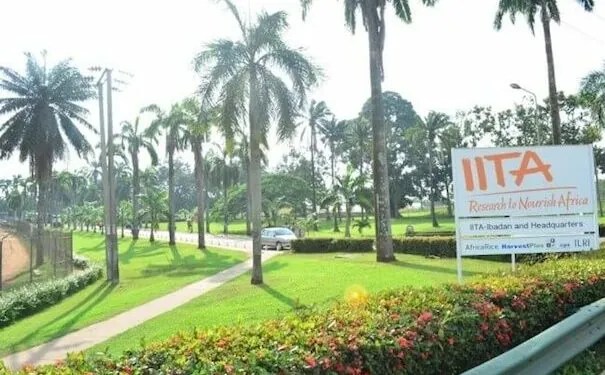
IITA, FG partner to improve sustainable agricultural production
Beatrice Aighewi, head of station, IITA Abuja, said this on the sidelines of the launch of the Nigerian Farmers’ Soil Health Scheme.

Politics
NPC inaugurates security information hub for 2027 elections
The National Peace Committee at The Kukah Centre has inaugurated an Election Security Information hub, ahead of the 2027 polls.

Politics
Tinubu deserves second term, says former Abia lawmaker
A former lawmaker representing Ikwuano/Umuahia federal constituency in Abia, Sam Onuigbo, says President Bola Tinubu deserves a second term in office.

Sport
Nigeria to face Gabon in play-off for 2026 World Cup ticket
To qualify for the 2026 FIFA World Cup, Nigeria will face Gabon in a play-off in November.

Economy
Kano startups secure $50,000 cloud support
The support will benefit the top 10 startups from the HEAT Hackathon 2025, held on October 11 at the E-Health Africa Auditorium in Kano.


