
Rising fuel, energy costs drive Nigeria’s inflation: Experts
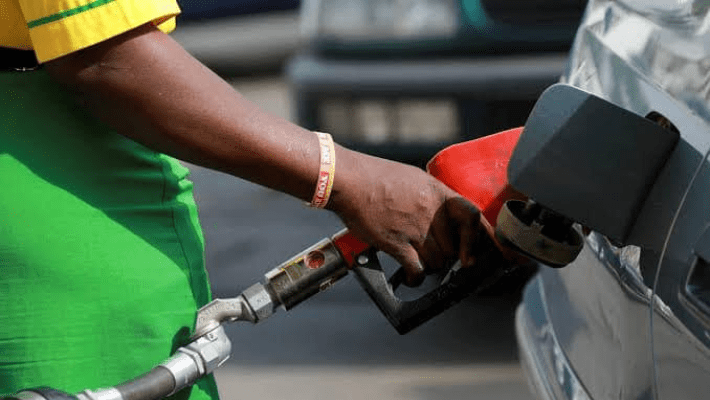
Economic experts say rising fuel and energy costs are driving Nigeria’s latest inflation surge.
Speaking in Abuja on Sunday, the experts said higher petrol and diesel prices have driven up transport fares, logistics costs, and the distribution of goods nationwide.
Ken Ife, a development economist, attributed Nigeria’s recent uptick in inflation not just to rising energy costs but also to structural inefficiencies in the oil and gas sector, calling for urgent policy actions to stabilise prices.
Mr Ife, who is also a public policy analyst, said Nigeria’s inflation rate, which rose slightly to 15.38 per cent in March after 12 consecutive months of decline, was largely driven by increases in fuel and energy prices.
According to him, energy remains a critical driver of inflation due to its central role in transportation, production, and distribution.
He said, “When energy prices go up, petrol and diesel prices rise, and these drive the entire transportation system. The cost of moving food, goods, and people increases, which translates directly into higher prices across all sectors.
“This may likely be worse on a month-on-month basis. You will see month-on-month inflation going dramatically up.”
He said that rising gas prices, which are benchmarked internationally, also contribute to higher electricity tariffs and production costs.
“As gas prices increase, the cost of power generation rises, and consumers feel it in their electricity bills. Manufacturers also face higher costs due to increased energy and logistics expenses, leading to a general price increase,” he said
The professor said that while global factors such as tensions in the Middle East may influence energy prices, Nigeria’s situation was worsened by domestic structural challenges.
He criticised the handling of crude oil allocation, saying that local refining capacity was not being prioritised as required by law.
Mr Ife referenced the operations of the Dangote refinery, stating that it was not receiving adequate crude supply for optimal production.
“Local refiners require sufficient crude to operate efficiently, but current allocations fall short. This forces them to source crude externally at higher costs, including additional shipping and insurance charges, which ultimately push up domestic fuel prices,” he said.
He said such inefficiencies put pressure on the economy and contribute to inflationary trends.
On immediate measures, the expert urged authorities to prioritise crude supply to domestic refineries and ensure compliance with existing laws.
“Providing adequate crude for local refining and allowing transactions in Naira, as stipulated, will reduce costs and ease pressure on consumers,” he said.
He cautioned against a return to fuel subsidies or increased borrowing to cushion economic hardship, describing such measures as unsustainable.
“We are not going back to subsidies or excessive borrowing. The focus should be on fixing structural issues in the energy sector to ensure long-term stability,” he said.
Ife said that addressing these challenges would help moderate inflation and improve overall economic conditions.
Also, economist Chidi Nwanze said the rise in inflation could be linked to renewed pressures on transportation and service costs.
“The rise, though marginal, suggests that structural factors such as logistics costs, exchange rate fluctuations and energy prices are still influencing inflation dynamics,” he said.
A financial analyst, Segun Ibikunle, said the sharp increase in month-on-month inflation was a more concerning indicator.
“The jump to 4.18 per cent month-on-month shows that price increases are accelerating in the short term. If sustained, it could reverse the gains recorded over the past year,” he said.
The March inflation figures showed that, on a year-on-year basis, Nigeria’s headline inflation rose slightly to 15.38 per cent, compared with 15.06 per cent in February.
The report was released by the National Bureau of Statistics (NBS).
It said that the month-on-month headline inflation rate in March was 4.18 per cent, 2.17 per cent higher than February’s 2.01 per cent.
The NBS identified food and non-alcoholic beverages, restaurants, accommodation services and transport as the major contributors to the headline inflation on a year-on-year and month-on-month basis.
(NAN)

We have recently deactivated our website's comment provider in favour of other channels of distribution and commentary. We encourage you to join the conversation on our stories via our Facebook, Twitter and other social media pages.

More from Peoples Gazette

Agriculture
FG tasks ECOWAS on leveraging financing strategies for agroecology
The federal government has urged stakeholders in the agriculture and finance sectors in the West Africa region to leverage financing strategies to enhance agroecology practices

Politics
Katsina youths pledge to deliver over 2 million votes to Atiku
“Katsina State is Atiku’s political base because it is his second home.”

NationWide
HEDA warns of rising national risks over NIHSA flood alert
He said the forecast reflected historical trends.

Economy
Manufacturers seek policies to boost industry resilience amid global supply disruptions
He said the temporary disruption of the Strait of Hormuz exposed structural weaknesses in Africa’s manufacturing sector.

States
APC will be stronger, more united in 2027: Gov Otu
Mr Otu said the party is banking on federal projects and its governance record to strengthen its position in Cross River State.

Education
SSANU threatens indefinite strike ahead of April 30 renegotiation deadline
The association expressed concern over delays in concluding talks and signing agreements with the federal government.

Politics
Ex-Kano governor Ibrahim Shekarau dumps PDP, joins APC
The former governor said the decision followed wide consultations with his political group.

Economy
Farmers warn of local rice production crisis over surge in imports
He said the percentage of local rice production has dropped to its lowest.


